
Gutter Cleaning Palmers Green
A pair of houses can share the same roof shape while each side has its own way of carrying water away. If you see rain spilling near the middle of a pair, it is worth identifying the nearest outlet on both sides before assuming which gutter is affected. Glen’s provides gutter cleaning in Palmers Green for accessible rainwater systems. Send a wide view of the roof and tell us where the water first appears. Include the route to the side of the house if the frontage alone cannot show the connection.

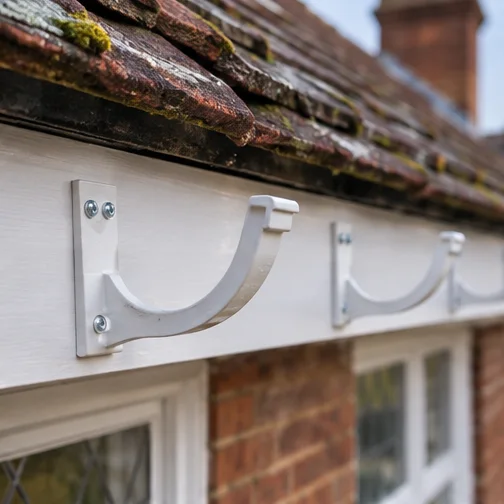
Illustrative photograph.
Locate the gutter between the two houses
Enfield’s Lakes Estate appraisal describes closely spaced Edwardian semi-detached houses and some short terraces between Fox Lane and Alderman’s Hill. At a semi-detached property, the bay or gable can make one roof edge look like the mirror of its neighbour. The gutters may nonetheless finish at different points or have different outlets because of later work. If you report wetting at the centre of the frontage, locate the front door and any downpipes in the same picture. This helps identify which length may be involved without assuming both sides connect.
Look for the place where the visible gutter ends or turns. A short return can be obscured by a bay. A section near a dividing wall might sit higher than an outlet towards the end of the house. Tell us which side becomes wet first and whether rain appears at the gutter edge or further down the wall. Where work might involve a connection or access at the next property, confirm who has agreed the work and which sections are included. A maintenance record can be helpful if it identifies a shared fitting.
Give the side passage and garden their own description
On a house with a set-back frontage, there may be room near the entrance while the approach to the rear is narrow. A gate may open beside a bay, or the passage can tighten where the house meets a kitchen extension. Show us the narrowest point and any overhead obstruction. Where steps lead down to the garden, include the difference in height between the path and the ground below the eaves. A photograph looking along the side can explain changes in width and level better than a close view of the gutter.
If a garage, conservatory or other lower roof occupies the space beneath the original gutter, show where it sits in relation to the wall. Tell us whether it has a gutter and outlet of its own. If a pipe from the main roof discharges onto it, runoff can reach a different corner from the one directly beneath the pipe. Record where you see water first and whether the lower channel is still draining. Access to one edge may be straightforward while the other requires a separate working position.
- Edwardian pairs and short terraces
- Bay roofs and junctions at boundaries
- Side gates and rear extensions
- Records tied to a named outlet or fitting
Check where the accessible system stops
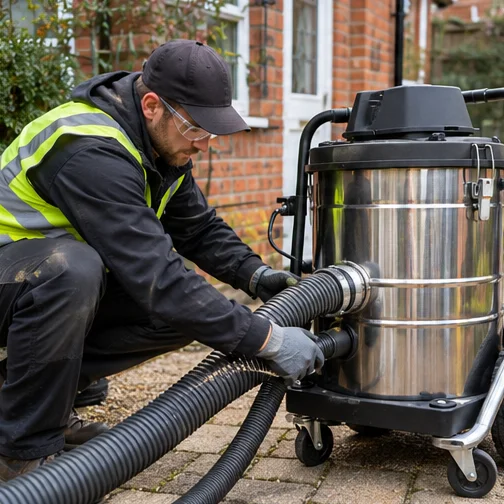
Material can settle where a gutter changes direction or at the opening into a pipe. An outlet restriction may leave the middle of a channel looking relatively clear until rain builds up. Gutter cleaning covers agreed accessible lengths and openings. A ground-based vacuum may work where the approach provides a suitable position and line to the gutter. A camera can sometimes show material at a corner or outlet. A projection, fence or roof below may change what can be reached, even when the height is similar across the house.
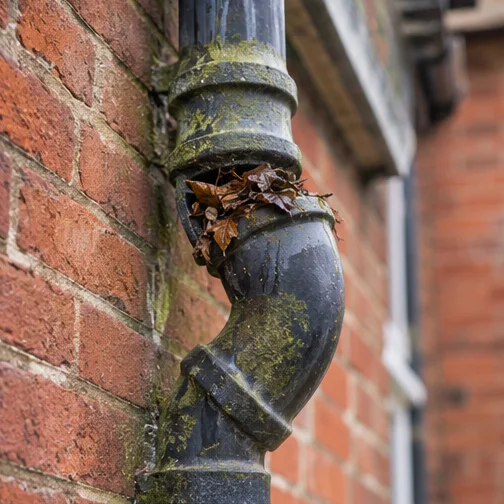
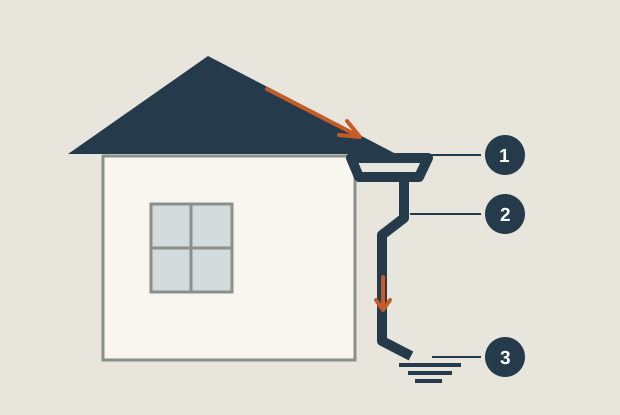
If the concern is lower down, show where the pipe ends. It may discharge to an open gully or continue under the garden path. A wet patch at the base of a wall can receive water from the pipe, the yard surface or another roof. If you can observe safely in rain, note where the water first moves. Describe any hidden section and share records of drainage changes if you have them. The condition of a buried or enclosed connection may require a separate inspection after the accessible section has been considered.
Palmers Green roof details to report
| Observation | Detail to add | How it helps |
|---|---|---|
| Water beside the centre of a semi-detached pair | Nearest outlet and whether both sides are visible | Shows the part of the frontage that needs checking |
| Spill over the edge of a lower roof | Whether a higher pipe ends on the roof | Shows how the two levels may connect |
| Wet ground at a pipe base | Whether water reaches a gully or continues into paving | Identifies the visible discharge point |
| Drip where two gutter profiles meet | Location of the connector and nearby bracket | Gives context for a local assessment |
Assess whether a local fitting can be kept
Once debris has been removed, a drip can remain at a seam or connection. The neighbouring bracket and channel fall may affect the amount of water held at that point. Guttering repairs can be considered where a defect appears local and the adjoining materials and supports are suitable. Tell us if the gutter changes profile beside the bay or if a previous repair added a connector. A dated photo can show how the new and old lengths meet, even if the material is hard to identify from the ground.
A channel with adequate support and a suitable outlet arrangement may be considered for lining. Gutter replacement may warrant discussion where a number of lengths or supports have deteriorated. If ivy climbs the side wall, describe where its stems pass behind the pipe or reach the eaves. An ivy removal assessment needs to account for the fixings and surfaces the plant covers. Water damage repair starts with understanding how moisture entered and what material is affected. Describe the inside mark alongside the nearest outside roof or pipe without treating one as proof of the other.
Work we can discuss after clearance
Gutter cleaning
Clear agreed accessible channels on bay roofs, side returns and rear additions.
Guttering repairs
Consider the adjoining supports and outlet when assessing a leaking connector.
Gutter lining
Assess the existing profile, support and outlet where lining is being considered.
Gutter replacement
Review compatible options where several lengths or fittings need renewal.
Ivy removal
Review climbing stems behind fixings on side walls and around eaves.
Water damage repair
Use dated observations to investigate how moisture may be reaching interior surfaces.
Record which part of the pair or terrace was reached
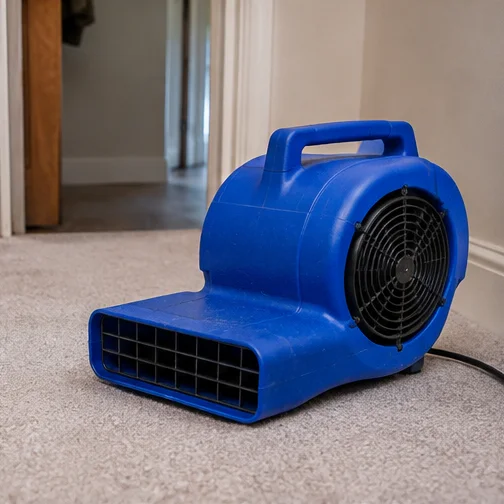
A clearance record can name the lengths reached, the material removed and any visible concern that remains. Use a reference such as the left-hand bay facing the front door or the outlet beside the rear garage. At an address arranged as flats, tell us who receives the report and who can arrange access if a second visit is needed. Someone who can see the channel from upstairs may be able to report changes even though a different resident controls the area below.
When you next see the gutter during rain, note the time before water appears at the original spot. If a larger spill has stopped but there is a drip lower on the pipe, give both locations. A wall stain can stay visible after active wetting has changed. Record whether the surface becomes wet again and whether the edges of the mark move. The person arranging follow-up can use these observations to decide whether to look at a fitting, an enclosed part of the system or another route into the property.

Access around a Palmers Green property
| Route | Practical detail to confirm |
|---|---|
| Front garden between gate and bay | Available width and position of steps or railings |
| Narrow gap along the side wall | Gate width, turns and any cover overhead |
| Back garden below the rear door | Change in level and location of the lower roof |
| Shared or adjoining passage | Who controls access and which position has been agreed |
Before we assess the roof edge
Questions about gutter cleaning in Palmers Green
Can you tell from the street whether my neighbour’s gutter is connected?
Sometimes the connection is visible, but a return or change in roof height can obscure it. Send a wider picture of the pair and identify the nearest pipes. Records of previous work can help establish which lengths are connected.
Can a gutter above a front bay be separate from the main one?
Yes. A bay roof can have its own gutter and outlet. Show the bay and the main roof together and describe where water first appears. The relationship between the two levels helps us locate the concern.
Should I include the side passage even if I only need the rear cleared?
Yes, if it is the route to the rear. Show the tightest part, the gate and any roof or branch above. We can then discuss whether it leads to a suitable position beneath the affected length.
Why is only one corner of the gutter overflowing?
Water can collect at a low point or behind a restriction and spill there first. The position of the outlet and the condition of nearby supports can help explain it. Tell us where the spill sits in relation to the next pipe.
What if ivy reaches the pipe but leaves the gutter visible?
Show where the stems run and whether they pass behind any fixings. The gutter may still be reachable, while the affected pipe or wall needs its own assessment. Mention both when arranging the work.
Can I compare a current drip with a previous repair?
Yes. Share the invoice or photograph if it shows the particular seam or bracket. Record where the new drip starts and when it appears. This can help distinguish a recurring problem at the same fitting from a new one elsewhere.
Coverage and bookings
See the areas we cover. For nearby enquiries, see Bounds Green and Southgate and Winchmore Hill.