
Gutter Cleaning Highgate
A garden path in Highgate can follow the slope while the gutter runs level across the elevation above it. The easiest place to see a problem may be at the bottom of the garden, some distance from the point where work could safely take place. Glen’s clears accessible gutters for Highgate homes and managed properties. Start with a ground-level view of the affected edge and a description of the garden, steps or side passage beneath it. If you are reporting a particular overflow, point out where the water touches down as well as where you think it starts.

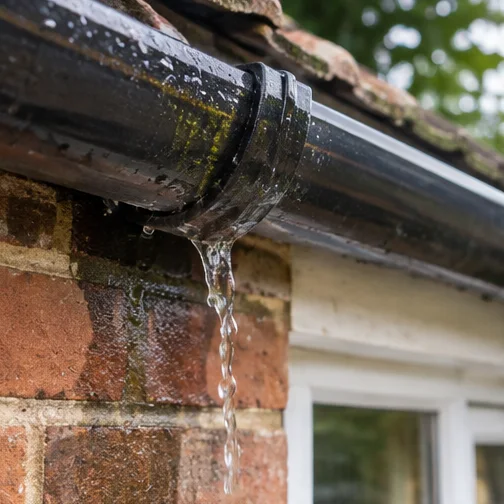
Illustrative photograph.
Highgate roof and garden details
| Feature | What to describe | Why it matters |
|---|---|---|
| Garden level below the house | Height difference and route down from the door | Indicates how the rear gutter can be approached |
| Mature planting beneath an eave | Position of branches and gaps along the wall | Shows where an equipment line may be interrupted |
| Roof additions of different ages | Which roof appears to overflow first | Helps separate two drainage routes |
| Older rainwater goods | Known material and history of alterations | Supports an assessment before changes are proposed |
Read the ground below the gutter
Camden’s appraisal of the Highgate conservation area describes a mix of compact village plots and terraces, together with substantial gardens in Fitzroy Park and wooded ground near Highgate West Hill. On any given property, the useful comparison is between the two sides of the building. A front door close to pavement level says little about the rise from a rear terrace to the eaves. At the side of a house, a path may stop at a retaining wall or turn into a flight of steps. Give an idea of the vertical distance and any changes in level beneath the actual length you want cleared.
A route that looks open in summer can be restricted by branches directly under the gutter. An old photograph may also predate a new pergola or raised bed. Recent images help show space for both the equipment and the person using it. For properties with a gated drive or separate garden entrance, describe how someone would get from the arrival point to the far end of the building. Mention the gate width, any tight turns and any part of the approach that is shared. The site and the weather determine which working positions are suitable on the day.
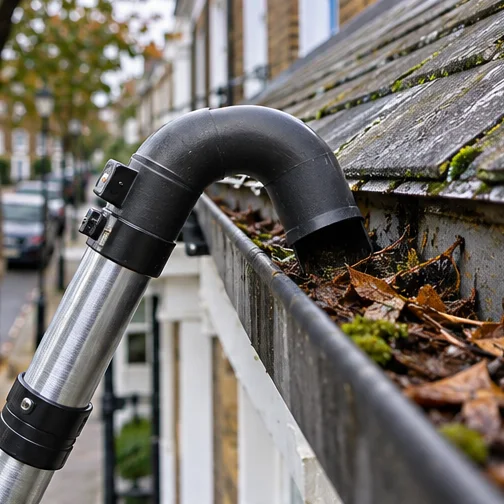
Discuss the material before changing a fitting
Camden’s appraisal records housing from several periods across the conservation area. A building may have older gutters on one elevation and more recent components over an addition. Tell us if your records identify the materials or if a previous repair used an unusual profile. A section can appear painted black from the garden while the substrate and method of joining are unclear. Safe views from the ground help locate a defect. Close inspection and details of the building may be needed before anyone specifies new work.
For a local drip, the useful starting point for guttering repairs is the condition around the joint, bracket or outlet that appears affected. Several loose supports or splits across adjacent lengths call for a broader discussion. Lining depends on a sound supporting channel and an arrangement that allows the liner to sit and discharge correctly. Gutter replacement may require a choice about profile, material and how an adjoining length is connected. Tell us at enquiry stage if there are building records, known design requirements or a managing agent who needs to review the proposed work. Property-specific requirements should be confirmed before changes are commissioned.
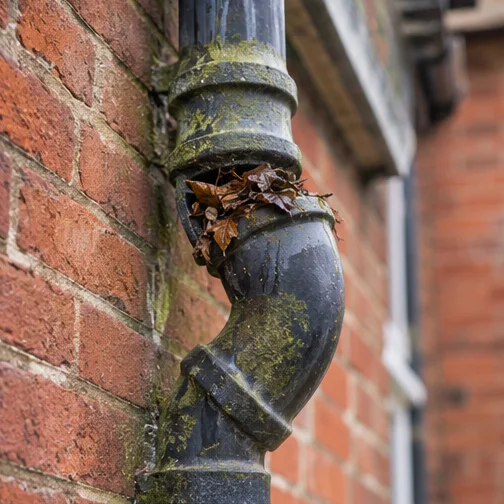
Distinguish roof shapes from drain routes
Above a rear addition, the gutter serving the original roof may turn the corner before it reaches a downpipe. A smaller roof beside it may have a separate opening. That arrangement can make it hard to describe an overflow from inside an upstairs room. Tell us whether you first saw water against the wall, heard it striking the lower roof or noticed it falling at a corner. If there are several pipes, a wide photograph can show which one is closest to the symptom. Details such as a bend below a window or a hopper beside the roof of an extension can help us refer to the same fitting.
Where a trough is accessible, clearing twigs and compacted leaves may reveal whether the opening is narrowed. Debris that sits against the outside of an outlet has a different implication from a crack in the fitting. A visible pipe can also disappear through a roof or into the ground. Keep any previous drainage reports available if the problem returns, especially if they identify where the underground line goes. Routine gutter cleaning covers the accessible channel and visible parts of the rainwater route included in the agreed work. An enclosed connection may require a different investigation.
- Rear levels and garden approaches
- Older and newer gutter fittings
- Growth obscuring roof and wall fixings
- Follow-up for recurring overflow
Check how growth reaches the eaves
Fallen material in the trough and climbing stems at the wall can occur together. Where growth has reached the eaves, a photograph taken from the garden may show the stem climbing behind a pipe, crossing a bracket or disappearing behind the edge of the roof. This affects what can be inspected during clearance. Give the likely starting point of the growth and indicate whether it spans a boundary. A small leaf canopy can obscure several fittings even if most of the elevation is visible.
Ivy removal is assessed as a separate task where growth has established behind fittings or along surfaces that could be disturbed. The position of stems matters, as do the substrate and permission to work on the affected wall. If water has reached a room below, note which surface became wet first and whether the stain changes after rain from a particular direction. For water damage repair, tracking and resolving the entry route comes before deciding what the interior surface needs. A gutter observation can narrow the search without identifying a route through a concealed part of the building.
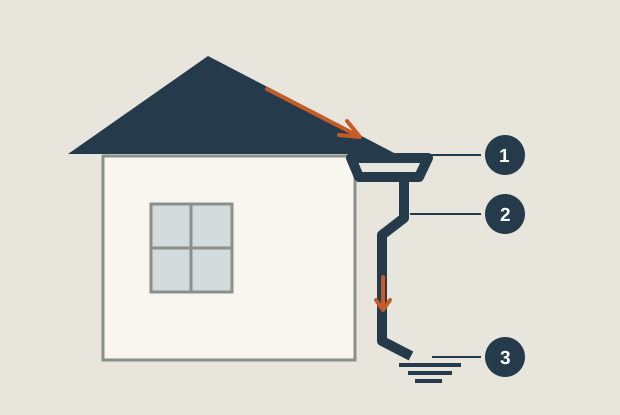
Services for the building manager
Guttering repairs
Investigate a drip at an accessible bracket, fitting or corner.
Gutter cleaning
Plan clearance around changes in ground level and planting beneath the gutter.
Water damage repair
Trace how repeated rain may be reaching the affected room or finish.
Gutter replacement
Review profile, material and access when an existing run needs replacement.
Gutter lining
Assess whether the existing channel and outlet arrangement can support a liner.
Ivy removal
Consider where climbing stems enter gaps near fittings and eaves.
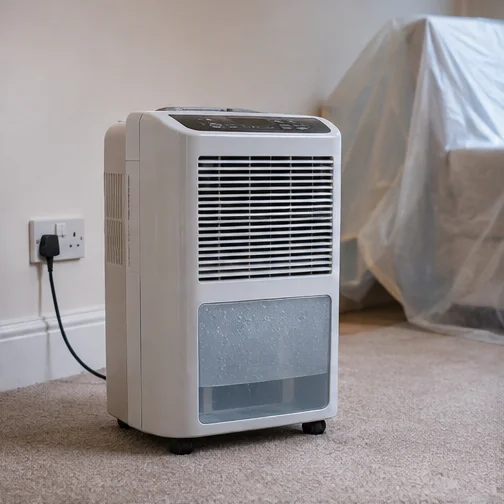
Information to keep with the maintenance record
Reading the first observation
| What you noticed | Relevant detail to record |
|---|---|
| Water at a stepped corner | Whether it starts above or below the change of roof level |
| Drips near a rear window | The pipe, fitting or wall projection above the window |
| A patch inside after a storm | Which edge became wet first and whether the mark changed afterwards |
| Leaves caught below a hopper | Whether the visible opening above them is clear |
Use the next rainfall to check the original symptom
After clearance, compare the same area from the same safe viewpoint when it next rains. For example, a small flow from a roof corner in prolonged rain provides different information from an immediate sheet of water along the entire front edge. Record how long it took to appear and whether it began near an outlet or away from it. Where water was falling onto stone steps or a retaining wall, observe from indoors or at ground level well clear of the fall. A distant photograph showing the full route is often enough.
If the problem reappears, refer to the location given in the visit record and tell us what has changed. A follow-up may focus on the alignment of a bracket, a connector that opens under flow or an inaccessible section that was previously identified. The record can also help an owner distinguish a fresh report at the back from the original concern at the front. If someone else manages the property, ask them to share the location of any previous work and say whether the old and new symptoms affect the same elevation.
Questions from Highgate property owners
Can a visit include gutters over a garden terrace and the drive?
Yes, ask us to consider both and explain how to move between them. The two sides may have different levels, roof heights and overhead obstacles. We can discuss the coverage once the access on each side is understood.
What if the only approach to the rear crosses my neighbour’s garden?
Tell us that early and confirm what access has been agreed. We also need to understand the route within the garden and whether the proposed working position is on your property or theirs. A clear arrangement helps define the visit.
Can leaves collect where there are no trees immediately above the gutter?
They can travel in wind and collect where roof shapes and troughs interrupt their movement. A build-up by an outlet or around a corner can affect flow while other stretches appear clear. The pattern at one location can vary between seasons.
Can you advise on retaining existing rainwater fittings?
Describe which pieces you want to keep and share any records of material or previous work. We can discuss the visible condition and practical options where we have access. Any external approvals or property-specific design requirements can then be checked against the proposed work.
Why does the rear gutter sound noisy without spilling over?
Moving water can strike a bend, outlet or lower roof and carry sound into a room. Note when the sound begins and where it is loudest. It may take a further inspection to determine which fitting or roof surface is responsible.
Should I wait for a storm to show you the overflow?
You can send photographs and your description before then. Write down where the problem last appeared and how strong the rain was. If a fresh observation becomes possible from a safe position, send it with the time and location.
Coverage and bookings
See the areas we cover. For nearby enquiries, see Archway and East Finchley and Muswell Hill.