
Gutter Cleaning East Finchley
If water drips beside the entrance of a High Road property, the pipe nearest the door may serve only one of several roof sections. A bay, sign or canopy can carry the water away from where it first escaped. Glen’s provides gutter cleaning in East Finchley for accessible rainwater systems. Tell us where you see the first wetting, what sits above it and how someone can approach that wall. If the concern is at the back, include the garden or yard level and any roof that lies below the main eaves.
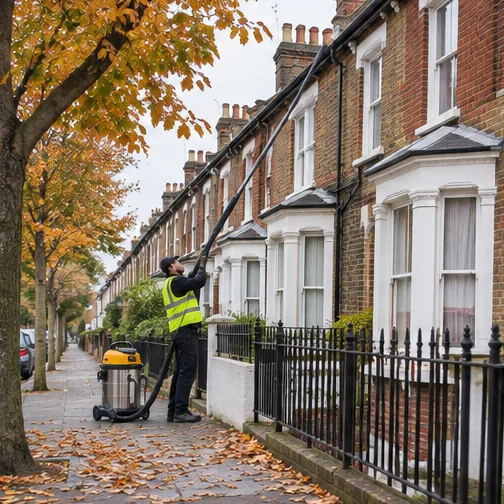
Illustrative photograph.
East Finchley observations to include
| What you noticed | Detail to send | How it helps |
|---|---|---|
| Water beside a High Road entrance | First wet point and nearest upper window or outlet | Identifies the part of the frontage to consider |
| Spill from a lower roof | Whether a pipe from above feeds it | Shows the possible relationship between the two roof levels |
| Wet wall below a bend | Position of the bend, nearby joint and pipe base | Locates the point where water becomes visible |
| Puddle near a gully | Whether water arrives from the pipe or nearby paving | Describes the lowest visible part of the route |
Identify the route from the High Road to the relevant wall
Barnet identifies East Finchley as one of Finchley’s three shopping centres, and Transport for London places the Underground station on the High Road. If you are arranging work near the station or elsewhere on the High Road, identify the particular shop, stair door or side entrance serving the affected property. A roof edge can continue past a doorway before it turns towards a pipe. A photograph showing the upper windows and the nearest corner helps locate a fitting that might otherwise be hard to distinguish from the next one.
A front door on the High Road may give a clear reference without offering an approach to the rear wall. Tell us if the agreed route starts in a side street, goes through a business or uses a shared gate. Ask who can open it and how it is used during the day. For a shop, include delivery times and any need to keep the entrance available. Where the roof edge is above a sign or canopy, describe whether it is fixed and what space there is between the cover and the front boundary.
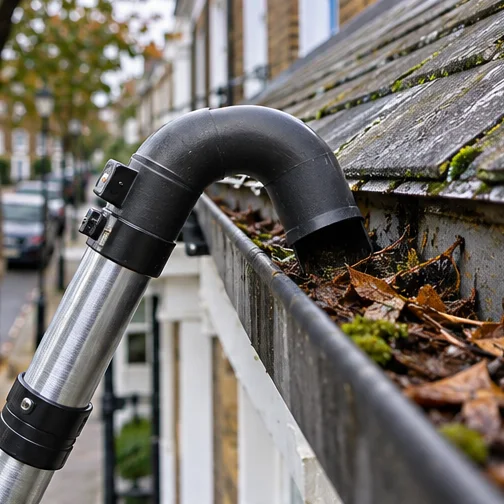
Look for a point where the water changes direction
A pipe can bend around a projection or continue behind a wall. If water first appears beneath a bend, record the location and nearest visible joint. A short gutter can also change direction at a return, and debris can gather where the channel narrows into an outlet. Tell us whether the rain falls directly over the lip of the gutter or appears at an underside joint. If you can see the base of the pipe safely, note whether it empties above a gully or continues below paving.
During gutter cleaning, we remove material from agreed accessible channels and visible openings. Where the ground and angle are suitable, an extendable vacuum can be practical. A camera can sometimes provide a view of the opening or a hard-to-see corner. A fixed awning, lower roof or overhead obstruction may affect what can be reached. A covered section of pipe or a connection under paving may need to be inspected separately if the route cannot be followed during clearance.
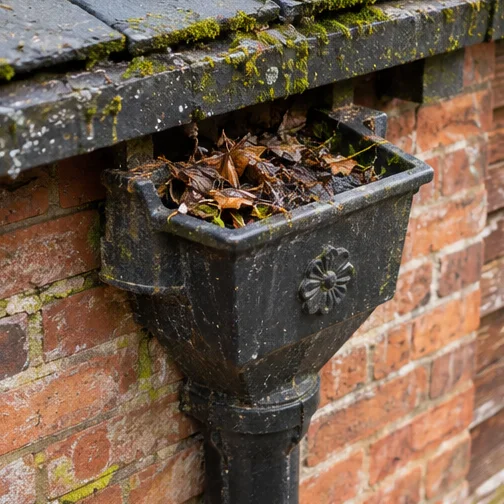
Check the view from the garden as well as the front
A house can have a bay on one side and a low extension at the back, with different gutters serving each roof. If water appears at a rear window, include the original roof and any extension in a wide photograph. Tell us whether an upper pipe reaches the ground or ends on the lower roof. Water can run across that lower surface before it reaches a corner or outlet. A stain beside the corner alone may give little indication of where the flow started.
For a rear garden approached by a narrow side path, show where the gate opens and where the route turns. A fence or extension can reduce the available space even after the path reaches the garden. Give the height from the ground under the affected gutter and describe any steps or change in level. If a tenant can report the leak but another resident controls the garden, give a contact for both the observation and the agreed access. The building owner or manager can confirm which part of the system the work will cover.
- High Road shop and stair entrances
- Bay and extension roof outlets
- Side approaches and separate yard access
- Follow-up records by fixed roof feature
Consider what the gutter needs after clearance
Leaves near an outlet can hold water back even where the rest of the channel appears clear. Once they have been removed, a drip at a seam may remain. The position of the adjacent brackets and the fall of the channel can influence how much water gathers there. Guttering repairs can be assessed against the condition of the visible joint, surrounding pieces and support. If previous work changed a fitting at the end of an extension, share any photograph or record that identifies it.
Gutter lining may be considered where the supporting channel, corners and outlet details allow a liner to be fitted. Where deterioration extends along several lengths or supports, replacement may warrant discussion. If ivy surrounds a pipe or reaches behind the gutter, describe the stem route and the surfaces it covers before asking about removal. For water damage repair, note the position and date of any internal mark and whether it changes after rain. The exterior rainwater route may help locate the concern, while the way water enters the building can require further investigation.
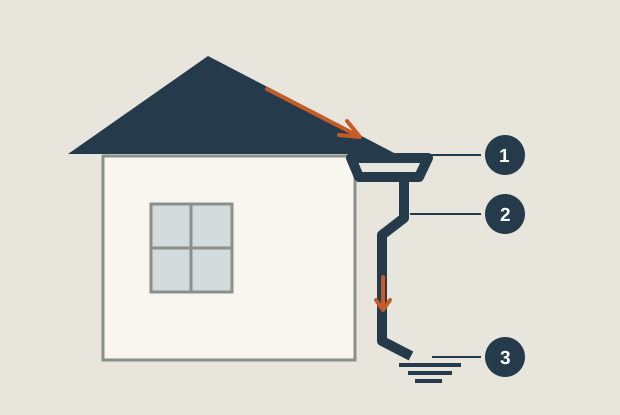
Services for the building manager
Guttering repairs
Assess a visible local joint alongside the adjoining brackets and channel fall.
Gutter cleaning
Clear agreed accessible channels and outlets above frontages, bays and extensions.
Water damage repair
Compare exterior runoff with dated indoor observations to guide further assessment.
Gutter replacement
Discuss renewal where several sections or supports have deteriorated.
Gutter lining
Review the existing channel and outlet connections before considering lining.
Ivy removal
Review the route of ivy around pipes or behind roof fittings.
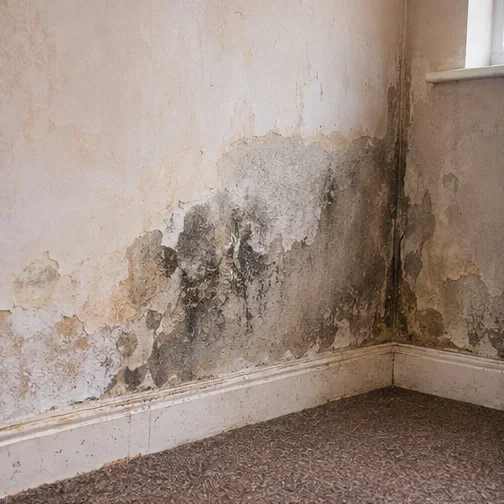
Information to keep with the maintenance record
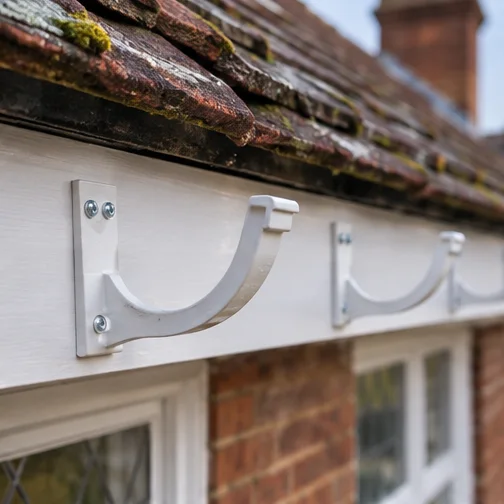
Confirming the way to the affected wall
| Route | Detail to confirm |
|---|---|
| Shop entrance or side door | Who admits the team and when each door is in use |
| Yard approached from another street | Gate position, shared use and delivery access |
| Side path beside an extension | Narrowest point and any cover overhead |
| Private garden beneath a shared roof | Who grants entry and who agrees the work |
Keep the location useful to a future occupier
A clearance record can name the runs and visible openings reached, describe where debris collected and identify any visible issue still requiring attention. Use a reference that does not depend on the current shop name or how a room is used. The outlet beside the upper window above the stair door or the rear gutter next to the garden steps can be found by the next tenant or contractor. Confirm who needs the report and who can authorise access to any part that remains.
After the next rain, compare the first wet point with that location. If the front step is dry but the pipe still drips at a lower connection, record both positions. Note how long it took before the first water appeared. If an indoor mark has changed, describe the nearest outside wall or roof feature and the date of the change. The person arranging follow-up can use the earlier work record and current observations to decide which fitting, enclosed route or other part of the building to investigate.
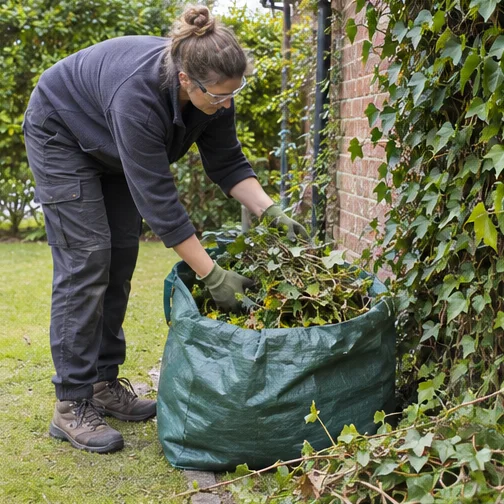
Questions about gutter cleaning in East Finchley
Can you use a side door if the frontage is busy?
It depends on whether the side route reaches a suitable position for the affected length. Tell us where it begins and who can open it. A front gutter may need an approach different from the one used at the back.
What if water drips from the far end of an awning?
Describe where it first reaches the cover and where it falls off. A wide picture can show the upper roof edge and nearest outlet. Tell us whether the awning is fixed and how the entrance beneath is used.
Can I include two rear roofs in the same visit?
List the roofs and their outlets and describe the available space below each. A lower roof can have a reachable gutter while obstructing access to the higher one. We can discuss the coverage from the agreed positions.
Why is a clear-looking gutter still dripping at a joint?
The joint, its support and the channel fall can each affect how water collects there. A hidden restriction may also remain. Tell us whether the water comes over the lip or appears under the fitting.
Should I send a picture of an old interior stain?
Yes, if it helps show the affected surface. Give its age and say whether it changes after rain. A dated photo from the same position can help distinguish an existing mark from new wetting.
Who should confirm the work when the garden belongs to one flat?
The person responsible for the shared rainwater system should confirm what the visit will cover, and the occupier controlling the garden should agree access. Give a contact for each role and describe the route they can make available.
Coverage and bookings
See the areas we cover. For nearby enquiries, see Finchley Central and Fortis Green and Highgate.