
Gutter Cleaning Fitzrovia
If rainwater is falling into a narrow rear yard in Fitzrovia, we first need to know which roof feeds that side and who controls the yard. We clear accessible gutters and check reachable pipe openings. Tell us the location of the first visible spill, the height of the gutter and whether the position below it is within the premises or shared with another occupier.
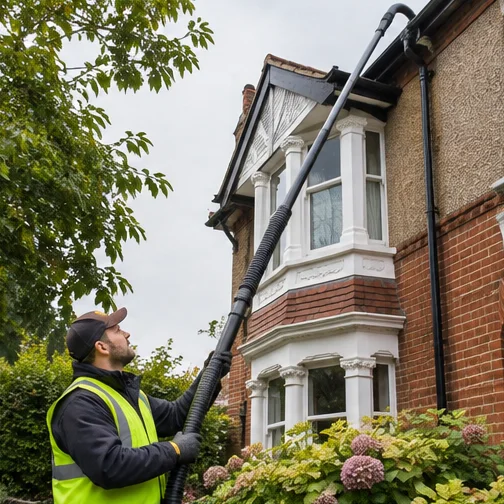
Illustrative photograph.
Start with the yard and the roof that actually drains into it
Camden’s Fitzrovia Area Action Plan records homes above commercial premises, as well as houses and larger apartment buildings. The mix is visible around streets including Charlotte Street and Goodge Street. An enquiry from a business at ground level and a report from an upstairs resident may describe the same overflow from different positions. Ask which rear wall, passage or roof edge they are looking at. A rainwater pipe can pass through a small courtyard and come out on another side of the property. A report that only names the premises may leave the relevant roof uncertain.
If water can be seen at the base of the wall, say whether it was falling from a gutter or appeared around a ground-level outlet. Those observations point to different checks. The space may also collect runoff from a lower roof or paving. Send a photograph from a safe position that shows the yard and the part above it. If a pipe is visible only from an upper room, include the floor and nearest corner. We can then explain which parts of the roof drainage we could assess and which may need a different inspection.
Establish how a narrow yard can be used
Tell us how to get into the yard and what part of it can be used as a working position. A short passage may still have a turn that limits the movement of equipment. Steps, a projecting canopy or a permanent fitting can leave less room than the total yard size suggests. A route through another unit needs to be agreed with the person who controls it. If there is an open front approach to a separate gutter, describe it separately rather than assuming it gives access to the rear roof. We assess what can be reached from the space you have available.
If the yard has a door that needs to remain in use, identify it when making the enquiry. Tell us who can confirm the route and whether more than one tenant needs to agree. Where the visit is arranged by a building manager, give us a contact who can identify the affected run on site and the person who can authorise further work. We can then discuss what can be included and what may need another appointment. A photograph taken looking back from the rear door can help show the space to set up as well as the width of the route.
- Identify the yard, room or door nearest the water.
- Distinguish overflow from water appearing on paving.
- Confirm access if the route crosses another unit.
- Describe the narrowest point on the approach.
Remove debris and identify where the accessible check ends
We confirm which roofline has been agreed and look for a suitable position below it. Where the gutter can be reached, we use a vacuum and reach poles to remove accessible material. We work along the run and check for debris at the opening into the pipe. An outlet in an enclosed yard can be difficult to see if the channel is set behind the roof edge. Ask about a camera view if you want to see a particular section. We can discuss what the position allows, but the camera cannot trace a pipe through a wall or establish what is happening in the drain beneath the yard.
If there is standing water lower down, we distinguish a reachable obstruction at the gutter opening from a possible restriction elsewhere. We may be able to see where the downpipe meets a lower outlet. If that connection cannot be reached or the route is concealed, we describe the limit of the check. Tell us if the water on the paving appears before the gutter spills or only after the wall gets wet. Read about our gutter cleaning service to see how the equipment is used and which factors affect the reach.
Locate the part of the route that needs checking
| First sign | Reachable check | Detail that helps |
|---|---|---|
| Water runs down the inside of a courtyard wall | Gutter and accessible outlet above the mark | Nearest door, room or corner |
| Water gathers at ground level | Visible pipe discharge and accessible outlet above | Whether water can be seen falling from the roof |
| A seam above the yard drips in light rain | Visible joint and its surrounding fittings | Point where the drip starts |
Decide what needs a separate discussion
Once the accessible channel is clear, water may still escape at a joint or around the point where a pipe meets an outlet. We consider the visible condition and discuss guttering repairs where there is a local defect. If an older section has failed and the remaining fittings can stay, we can assess where replacement would begin and end. A sound supported channel with a leaking surface can be assessed for lining. That depends on the condition of the channel and how it empties, so we discuss it only after considering the accessible details.
If ivy or other growth hides the pipe against the yard wall, describe where it starts and whether anyone has arranged access to it. We can discuss the work needed to expose the part that requires inspection. If the problem has reached the inside of the premises, tell us the location and when it first appeared. We consider water damage repair separately from clearance of the roof drainage. Water emerging at ground level or reaching a room may call for another assessment even when the accessible gutter has been cleared.
Work we can discuss after clearance
Gutter cleaning
We clear reachable roofline gutters and describe where the accessible outlet check ends.
Guttering repairs
We look at a visible fitting above the yard that continues to leak after clearance.
Gutter lining
We assess the support and visible drainage route of a concealed channel before discussing lining.
Gutter replacement
We discuss renewal of a failed run separately from work to adjoining fittings.
Ivy removal
We can discuss exposing a fitting or pipe hidden by growth at the rear.
Water damage repair
We consider damage inside the premises once we know the surface and when water appeared.
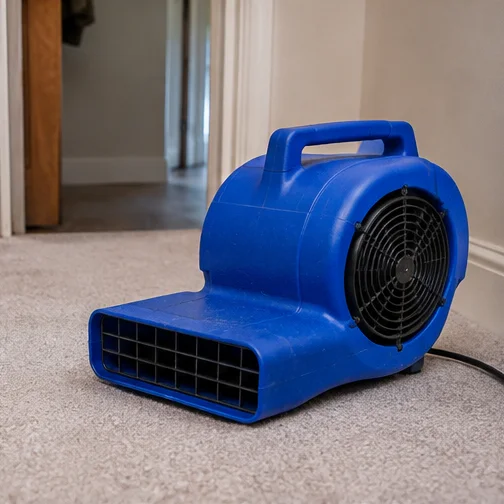
Report back by room, yard and roofline
After clearance we describe the runs that were reached and the accessible outlet checks that were made. We give the location of any visible problem in a way the person responsible for the building can recognise. Tell us whether a yard has a name or number that should be used in the account. If some of the issue was reported by a tenant or member of staff, it helps to identify the room or doorway where they saw it. We explain which part of the roof remains outside the visit or needs further access.
If another appointment is needed, keep a note of the entrance used and any route that could not be used. The person who gave us access may not be the one arranging the follow-up. Let us know if the yard is going to be used differently or if access depends on a second premises next time. A new enquiry should say what has already been cleared and where water still appears. This helps us distinguish a recurring restriction in the same place from a fault on a different section.
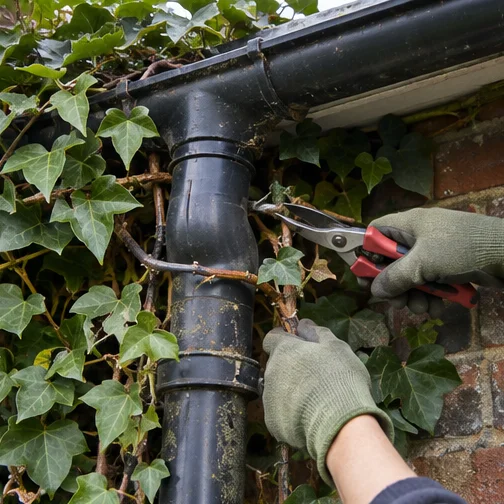
Agree the rear working area
| Route to the gutter | Detail to confirm | Why we ask |
|---|---|---|
| Narrow internal passage | Turns, steps and smallest opening | Determines how equipment can reach the yard |
| Shared rear yard | Person who can agree its use | Establishes the available working position |
| Entrance controlled by another unit | Name and contact for access | Prevents booking a run we cannot approach |
Before we assess the roof edge
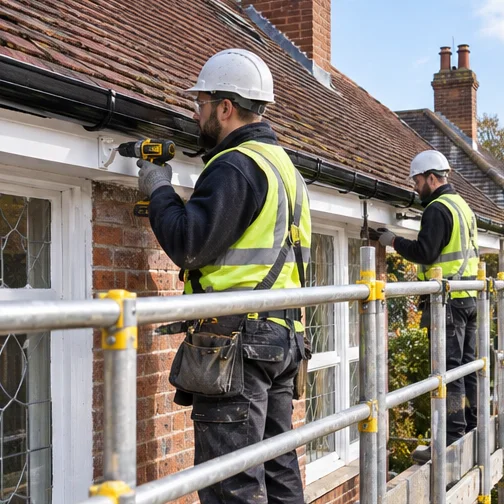
Questions about Fitzrovia gutter visits
Does the unit reporting the leak need to arrange access?
It can give us the location, but the person who controls the working area must agree access. Tell us who can do both before booking.
Can you clear a gutter facing a small enclosed yard?
We assess the height, available position and route to the yard. Tell us how the space is reached and what sits below the roof edge.
Is water gathering on paving always an outlet blockage?
No. It could come from the gutter, a pipe or a point lower down. Tell us where it appears first so we can discuss the visible checks.
Can you report on two rooflines if only one can be cleared?
We can explain what was reached and which parts still need access. Identify both rooflines in the enquiry so we can distinguish them in the findings.
Can the building manager receive a camera view?
Ask about it when booking. Let us know which section needs to be seen and we can discuss the view available from a suitable position.
What if the route is through another tenant’s premises?
Tell us whether they have agreed access and who can open the route. If it cannot be used, we assess what may be reachable from another position.
Coverage and bookings
See the areas we cover. For nearby enquiries, see Marylebone and Bloomsbury and Soho.