
Gutter Cleaning Carshalton
We clear reachable gutter runs and check outlets in Carshalton. If an overflow started after the gutter was cleared, tell us where the work took place and what changed afterwards. A new drip from one fitting can call for a different inspection from water spilling along an uncleared length. Include the nearest downpipe and a wider view of the roof edge when you get in touch.
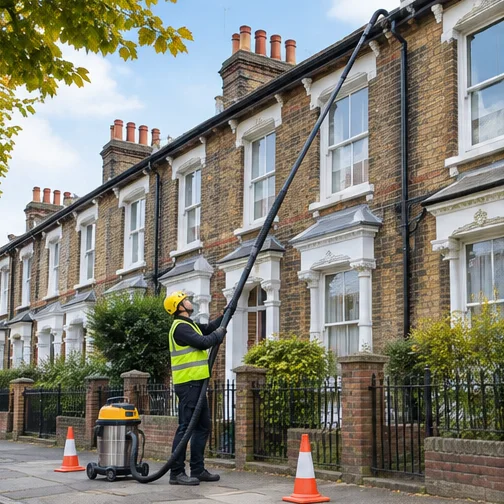
Illustrative photograph.
Establish what was included last time
If a previous visit covered the front but not the rear, say which side is overflowing now. Where the note from that visit describes a specific run, use the same description when you speak to us. Tell us whether the visible pipe opening was checked or only the channel was cleared. The fact that the gutter was recently worked on does not show whether all its lengths and outlets were accessible.
A photograph of the roofline can show a short return that is separate from the main gutter. If the previous work stopped near a corner, include the corner and the first visible outlet beyond it. We can discuss which lengths are part of the new booking. If a pipe was changed, tell us where the new section joins the older one and whether the symptom appeared after that work.
Leave a clear record for the next inspection
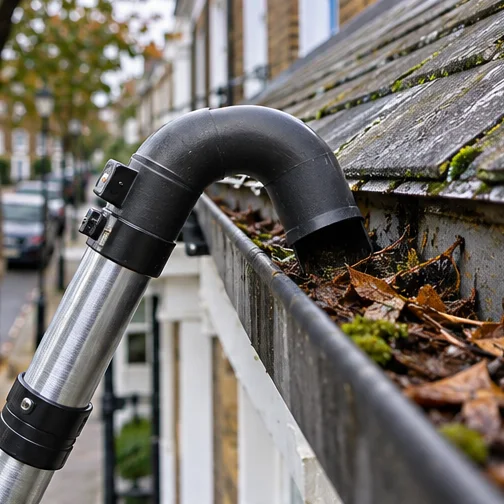
We explain which gutters and openings were reached and whether we found a visible fault. If an earlier record gives the names of the runs, we can use those names so the results can be compared. If one part could not be reached, we say where access was limited and which area would need considering before another visit. This can prevent a later booking from repeating work on a length that has already been cleared.
Send the Carshalton postcode, approximate roof height and which elevation was previously worked on. If the water starts at a seam, include a photo showing its position against the whole roofline. If it starts at ground level, tell us where the pipe discharges. Include the person who can open any gates and the person who should receive the findings if they are different.
If your record only says the gutters were cleaned, add what you can see now. A simple description of the rear return and the pipe nearest the kitchen door can be enough to identify a run. If the overflow began only in heavy rain, tell us whether a smaller shower produces any drip from the joint. We can relate that to what we see at the accessible opening and along the gutter.
Explain any change to the way the roofline is reached
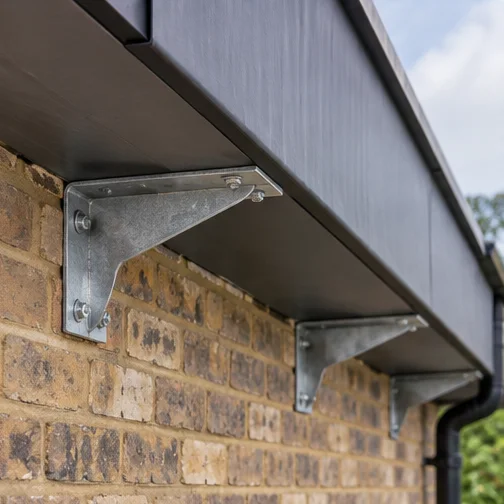
A visit can be easier or more restricted after a gate, canopy or extension has been added. Tell us what is now below the affected run and where there is clear ground to set up the equipment. If the gutter is over a glass roof, describe the projection from the wall. We consider the working position before agreeing which sections can be reached.
At a property with a shared path, ask who can open the route and whether part of it needs to stay available. Someone who saw water from a rear window may not be able to let us into the garden. Tell us who handles access and who can agree further work if there is a visible defect. For a commercial site, the same information helps when the area below the gutter is used by other teams or deliveries.
- Tell us where an earlier clearance stopped.
- Show the joint that leaks again after rain.
- Mention any canopy or gate added since the last visit.
- Ask us to report which openings we could reach.
Record what is accessible
| Position | Before the visit | What we can report |
|---|---|---|
| Rear run above an addition | Space to approach the edge | Whether the length was reached |
| Opening near a concealed pipe | Visible route and any known restriction | What material was cleared at the opening |
| Joint hidden behind the roof edge | Location and reason for a camera view | What could be seen from the available position |
Inspect the relevant channel and clear reachable debris
Where the equipment suits the height and access, we use a gutter vacuum and reach poles to collect leaves, moss and packed debris. We work along the included channel and check corners and the opening into the downpipe. A clean section can lead into a turn where there is still material. We can explain which part was reached and where we found a restriction, which is useful if you are comparing two visits.
We look at the accessible opening and clear what can be removed from that position. If the water still seems to back up beyond the opening, we discuss what might need a separate investigation. Ask about a camera check if the roof edge obscures the channel or if you want to inspect a fitting that was previously repaired. The available view depends on the working position and shape of the run.
Separate work at the premises
Gutter cleaning
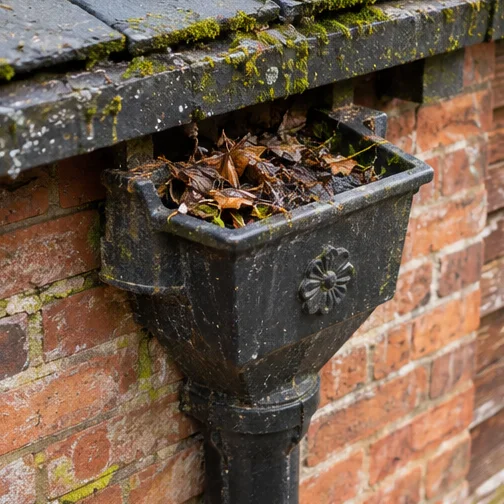
We vacuum debris from accessible channels and check the reachable opening into the pipe.
Ivy removal
We assess growth around rainwater fittings and discuss how far it can be cut back.
Guttering repairs
We look at local faults such as a leaking joint or loose support before agreeing any separate repair.
Water damage repair
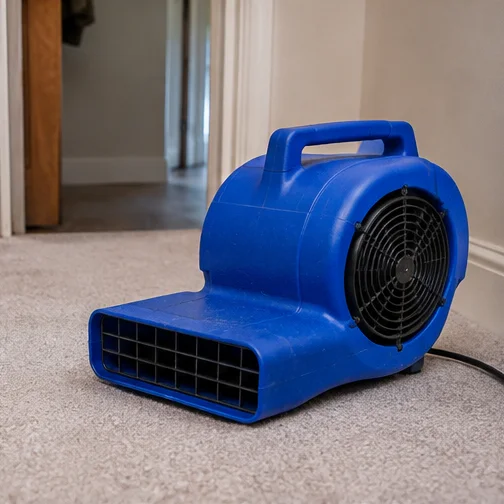
We discuss assessment and drying for affected surfaces once the route of water entry is understood.
Gutter replacement
We discuss which lengths and fittings need replacing and which adjoining parts can remain.
Gutter lining
We inspect the support and outlet before discussing a renewed waterproof surface for a sound channel.
Compare the new report with the last visit
| What happened | Detail to send | What we check |
|---|---|---|
| Same point overflows after clearance | Which run and outlet were reached | Debris at the opening and visible fitting |
| New leak after a pipe change | Where new and old parts meet | Visible connection and surrounding gutter |
| Return still spills after the straight length was cleared | What lies beyond the corner | Whether a separate run or outlet was missed |
Discuss what remains after the gutter has been cleared
When water still escapes at one seam, we can assess a repair to the affected joint and look at the neighbouring support. If several fittings are deteriorating or a length has failed, we can discuss renewing the damaged section and how it would connect to the rest. A supported channel with a failing inner surface may be suitable for lining after inspection.
If ivy conceals a pipe connection, tell us what growth needs cutting back so we can discuss separate removal. If water has already damaged an indoor surface, ask about assessing the affected area once the source has been addressed or identified. Our gutter clearance page explains what we can normally include in a visit and how we report visible issues that need further work.
What helps when several people report the leak
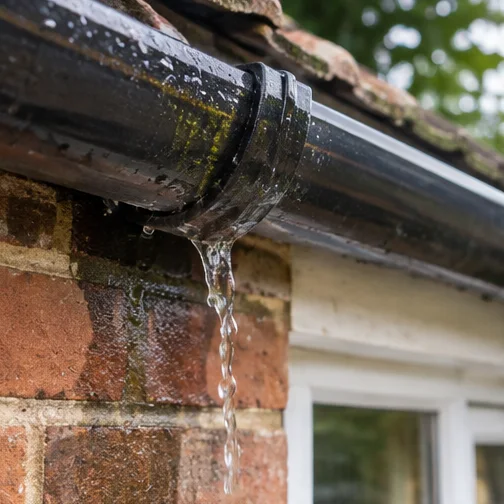
If you have a dated photograph showing the gutter before an earlier visit, include a newer picture from the same position. A change in the shape of the run or the location of the drip can help identify the part that now needs inspection. We can compare your account with the visible channel and tell you where there is still a question about the outlet or connection.
If the earlier visit included a replacement part, describe how it joins the surrounding lengths. A new section can sit next to an older outlet that still needs inspection. Tell us whether the water appeared immediately after the change or only after later rain. This helps us separate what you observed from what still needs to be checked at the gutter.
Coverage and bookings
See the areas we cover. For nearby enquiries, see Wallington and Sutton.
Carshalton questions about a repeat visit
Do I need an invoice from the last clearance?
No. Tell us which gutters you believe were included and what happened afterwards. If you have a note identifying the run or outlet, it can help.
Can you look at the return that was not reached?
Describe what blocked access before and whether anything has changed. We can discuss another working position before agreeing the visit.
Is a drip after clearance always a broken joint?
No. Tell us if water spills along the edge or starts at one seam. We can check for remaining debris and look at the visible fitting.
Can a camera show where an earlier repair was made?
Ask about a camera view and describe the location of the repair. We can discuss what can be seen from the available position.
What if the previous visit did not check the pipe?
Mention that at booking. We can check reachable openings and explain if anything farther down needs separate investigation.
Can you tell a property manager which part is still unresolved?
Yes. Give us the contact and the names used for the elevations or gutter runs so we can describe the remaining issue clearly.