
Gutter Cleaning Kilburn
Rain falling onto a Kilburn High Road entrance can come from a roof edge beyond the nearest shop sign. It may run along the top of a canopy or turn down a pipe on the side of the building before it becomes visible. Glen’s provides gutter cleaning in Kilburn for accessible rainwater systems. Tell us where water first appears and which route leads to the affected wall. If the property has more than one entrance, give the one below the gutter and the one the team should use.
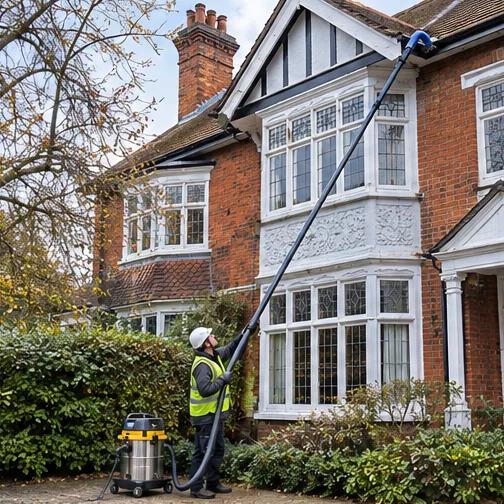
Illustrative photograph.
Kilburn observations to include with an enquiry
| What you see | Detail to send | What it helps establish |
|---|---|---|
| Water dropping beside a High Road entrance | First wet point and nearest window, sign or pipe | Locates the affected part of a long frontage |
| Wetting around the corner of a shop | Which wall becomes wet first and where the gutter turns | Identifies the possible return or side outlet |
| Water crossing a low rear roof | Whether an upper pipe empties onto it | Shows how two roof levels may be connected |
| Puddle near a service gate | Direction of flow and nearest pipe or gully | Describes the lowest visible part of the route |
Pinpoint the side of the High Road and the relevant entrance
Camden’s retail and town centre study describes Kilburn High Road as a linear shopping centre on the boundary between Camden and Brent. For an enquiry on the High Road, identify the unit and elevation rather than relying on a nearby landmark alone. A building can have a corner frontage, a separate stair door for the upper floors and a service route behind the shops. A picture showing both faces of the corner can help identify the first visible pipe and whether the gutter continues around the return.
If the symptom is above a shop door, describe where water first hits the awning, sign or ledge. The person working at the entrance may see where the water falls, while someone at an upper window can see an outlet or hopper. Give each account with its approximate time. A fixed door or upper window will still identify the position if the tenant or sign changes. Take any pictures from a safe place, keeping clear of traffic and of the area beneath the spill.
Check the visible points where the water changes direction
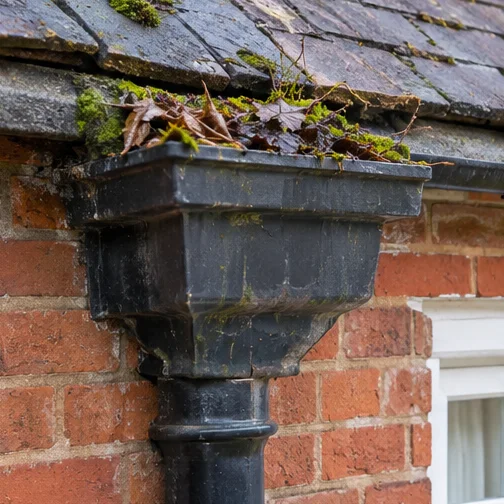
A gutter can spill well away from the outlet if debris holds water back at the opening. A local drip can also appear beneath a seam or bend. If there is an upper pipe that discharges onto a lower roof, include both levels in the photograph. Water may travel across the lower surface before it leaves at a corner. Record whether the first wetting is at the main gutter, the upper pipe or the edge of the lower roof. A view of the final drip alone may miss the connection between them.
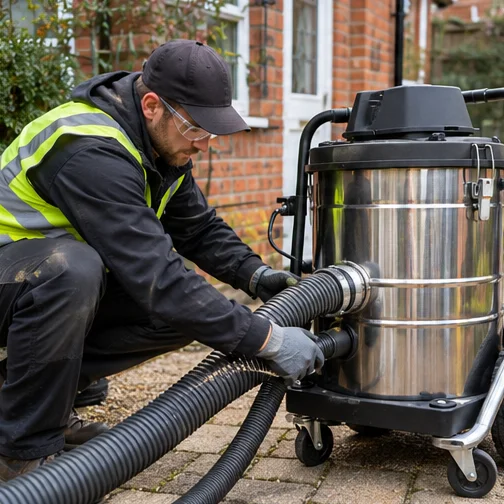
Gutter cleaning clears agreed accessible channels and visible openings. An extendable vacuum may be practical where the position, height and angle to the trough allow it. A camera can sometimes show material near an outlet or corner. At the foot of the pipe, tell us whether it ends above a gully or continues below paving. A puddle can also receive runoff from the yard itself. An enclosed connection or underground pipe may need separate assessment even after the accessible gutter has been cleared.
Confirm the route from the service entrance or side passage
A service gate may open into a yard shared between several businesses. Tell us which gate has been agreed, who can open it and when deliveries or other occupiers use the route. A yard can look open from the entrance while a cover, stair or extension interrupts the line towards the gutter. Show the route beyond the gate and include the affected wall in a separate photograph. If the front and rear are both included in the enquiry, describe the practical position below each one.
At a house, a side path can narrow beside a kitchen extension or pass through a dwelling to the garden. Give the width at the tightest point and show any steps, gates or overhead cover. A garden can sit at a different level from the front path, so give the height from the side where work is requested. In a converted property, the occupier who first reports water may not control the garden. Confirm who authorises work on the shared gutter and who can admit the team.
- High Road frontages and returns
- Separate shop and stair entrances
- Yard routes and lower roof outlets
- Records tied to permanent building features
Use visible defects to define further work
Once loose material has been removed, a seam may still drip where the channel sits low or a fitting has deteriorated. Guttering repairs can be assessed against the adjoining lengths, the nearest brackets and the fixing surface. If earlier work changed a connector or altered the outlet, share a record that identifies the affected part. A photograph of the junction between two profiles can help establish whether the visible issue sits in the original section or a later extension.
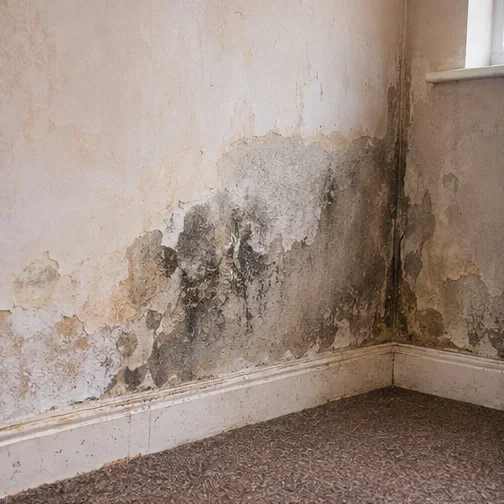
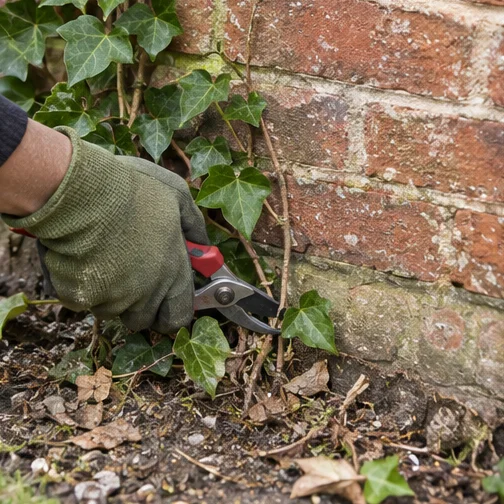
A channel can be considered for gutter lining where the support, shape and outlet details allow an appropriate installation. Replacement may warrant discussion if deterioration affects several lengths or brackets. Where ivy grows around a downpipe or beneath a roof edge, describe where the stems start and which surfaces they cover. This helps define the ivy removal assessment. Water damage repair begins with understanding how moisture entered and which materials it affected. Provide the date and position of any interior mark and the nearest visible exterior feature.
Services for the building manager
Guttering repairs
Review a visible local seam or support in context with the connected gutter.
Gutter cleaning
Clear agreed accessible channels and visible openings above Kilburn frontages, terraces and extensions.
Water damage repair
Compare dated inside marks and exterior observations to guide investigation.
Gutter replacement
Discuss renewal when multiple lengths or brackets have deteriorated.
Gutter lining
Assess support and outlet connections before considering a liner.
Ivy removal
Assess stems around pipe fixings and concealed roof details.
Information to keep with the maintenance record

Access to confirm for each elevation
| Working area | Practical detail |
|---|---|
| Shop and upper flats with separate doors | Which entrance is affected and who controls each route |
| Yard reached through a service gate | Key holder, delivery use and narrow points on the route |
| Garden beside a rear extension | Height from the garden and space beneath the gutter |
| Shared roof above one flat’s garden | Who gives access and who authorises the work |
Match the maintenance account to the first wet point
A clearance record can identify which runs and openings were reached, where debris collected and any visible point requiring further attention. Use a permanent reference such as the outlet above the separate stair door or the short gutter beside the rear gate. That helps a landlord, resident or maintenance contact find the same part even if they use a different entrance. Confirm who should receive the record and who can arrange another approach if a length remains inaccessible.
During the next rain, note where the water first becomes visible and how long it takes to appear. If the original spill has stopped but a lower joint drips, record each position separately. If an inside mark changes, note the affected room, date and nearest outside feature. Keep a dated photo from a safe position. The person arranging follow-up can compare these observations with the clearance record before deciding whether to inspect a local fitting, an enclosed connection or another part of the building.
Questions about gutter cleaning in Kilburn
Can the pipe be on a different wall from the shop entrance?
Yes. The gutter may turn onto a side wall before reaching the outlet. Show both elevations and describe where water first appears. Tell us which route gives access beneath the relevant length.
What if there are separate doors for the shop and flats?
Identify both doors and say which one is affected. Confirm who controls the route we would use and when residents or staff need it. A wider photo can show which roof edge sits above each entrance.
Can a service gate offer access when the frontage remains open?
It may give a suitable position for the rear or side. Tell us which wall it reaches and whether the space is used for deliveries. The frontage may need a separate approach if its gutter is included in the work.
Why does water reach an extension gutter from above?
An upper pipe can discharge onto the lower roof as part of the existing layout. The lower gutter then carries water from more than one surface. Show where the pipe ends and where the lower gutter empties.
Should I mention an old repair near a visible seam?
Yes, if the record identifies where the fitting was changed. Show the seam, nearest bracket and current wet point. That helps a repair assessment consider the surrounding parts together.
How should a tenant report a new leak after clearance?
Give the date, first wet point and nearest fixed feature. Use the same reference as the visit record if the location matches. If another wall or room is affected, describe it separately.
Coverage and bookings
See the areas we cover. For nearby enquiries, see West Hampstead and Willesden and Maida Vale.