
Gutter Cleaning Teddington
We clear accessible gutters and check downpipe openings in Teddington. If water pours from the top of a hopper on the wall, tell us which pipes lead into it and which gutter first shows an overflow. A wide photograph of the hopper and the roofline above helps us identify the accessible parts before agreeing a visit.
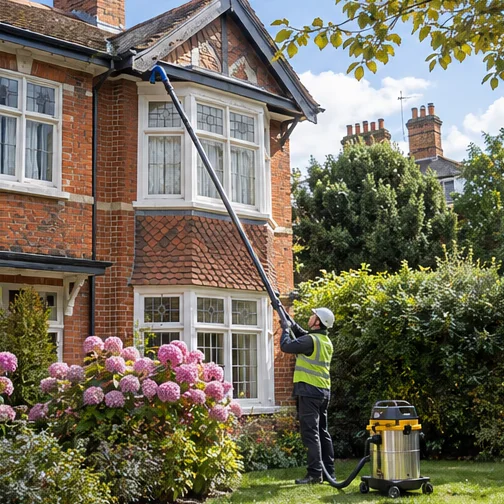
Illustrative photograph.
Establish the working position below the wall fitting
Tell us whether the hopper is above a patio, a passage or a lower roof. If there is a canopy or extension beneath it, show how far it projects from the wall. We can discuss whether a suitable position is available beside it and what can be reached from the ground. Do not rely on access from a window or roof unless it has been considered when arranging the work.
Where the garden is reached through a side gate, say whether it opens onto a clear path and who has the key. A passage that narrows near the wall can make it difficult to bring in the collection drum even if there is space for an operator. If you are booking for a building with more than one occupier, give us the name of the person who can show us the correct side and confirm access. For a commercial address, let us know if the route is used for deliveries.
- Show the hopper and all visible inlets.
- Mention whether the overflow starts in the channel or over the rim.
- Describe the ground below the affected wall.
- Tell us if one of the pipes was added recently.
Clear the agreed runs and check the opening we can reach
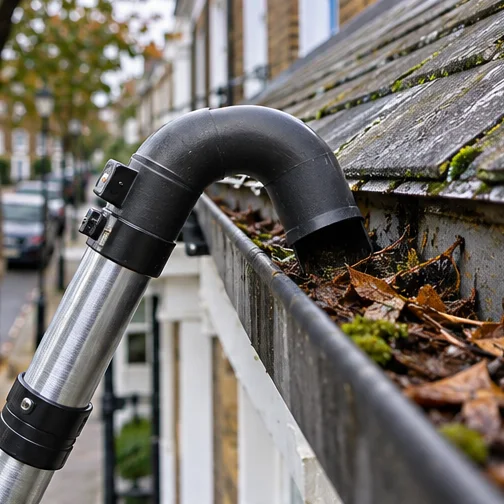
Where the roofline and working position suit the equipment, we use reach poles and a gutter vacuum to collect leaves, moss and compacted material. We follow the accessible length, checking corners and changes of direction. Near an outlet we look for debris that can remain in place even after the rest of the channel appears clear. If the hopper receives more than one inlet, we identify the accessible parts rather than assuming that every opening can be reached from the same position.
We remove material from a reachable opening and explain what can be seen of the connection and the pipe beneath it. If the restriction seems to be lower than the visible opening, we discuss what may need a separate visit. Ask about a camera check if you want a view of a gutter hidden behind the roof edge or need to show someone else where debris has collected. The angle will depend on access and the shape of the run.
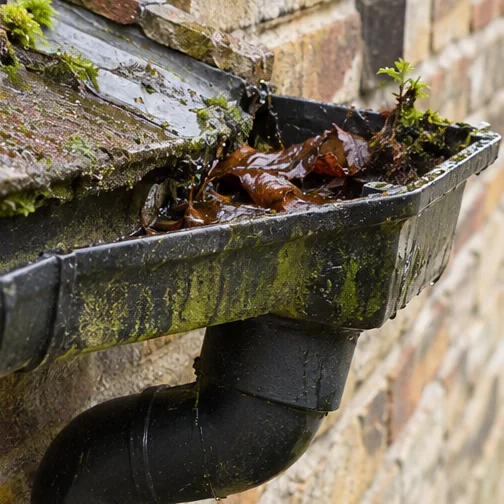
Identify what feeds the hopper
A hopper can receive water from a short outlet in the wall, a pipe from a higher gutter or more than one visible inlet. Tell us where each one enters and where the downpipe leaves the hopper. If water spills over its rim, note whether it happens as soon as rain starts or only after several minutes. We use that detail to discuss the opening we can check and where any restriction farther down might need separate investigation.
Water running down the wall beside a hopper may start at a joint above it. A photograph from one side can show the top and the pipe beneath it more clearly than a view from directly below. Include any separate gutter on a lower roof that collects water nearby. We need to agree whether that run is part of the visit or only provides a reference point for the reported overflow.
Work for other parts of the rainwater system
Gutter cleaning
Check the agreed runs and reachable inlet or opening into the pipe.
Gutter replacement
Identify how a new gutter length would connect to the existing outlet.
Gutter lining
Assess a sound concealed channel feeding the hopper before discussing lining.
Guttering repairs
Look at the visible seam or fitting where water enters or leaves the hopper.
Water damage repair
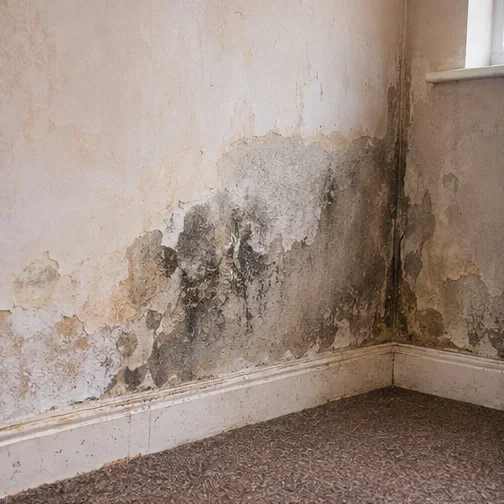
Consider assessment of indoor surfaces once the location of the exterior overflow is known.
Ivy removal
Discuss cutting back growth around the rim or the lower pipe.
Locate where water escapes near the hopper
| What you see | What to show | What we check |
|---|---|---|
| Water spills over the rim | Visible inlets and pipe beneath it | Reachable opening into the pipe |
| Water runs from above the hopper | Roof edge and any joint feeding it | Accessible gutter or connection |
| Lower pipe drips while the rim stays dry | Point where water first appears | Visible fitting and position |
Consider whether the hopper or its connections need repair
A leak through one fitting can remain once accessible debris has been removed. We can inspect the visible part and discuss repairing the affected gutter or connection. If a length feeding the hopper has deteriorated at several points, we can consider renewing the gutter run and where it would connect to the existing outlet. We can discuss lining after checking that a concealed channel is supported and identifying how it drains.
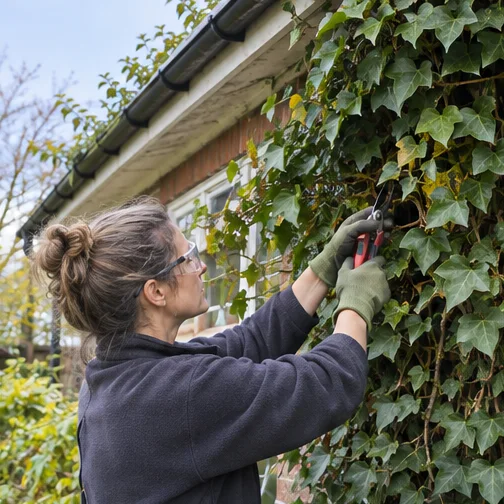
Tell us if growth obscures the top of the hopper or the pipe beneath it. We can discuss cutting back the ivy separately so the affected part can be reached. If the wall is stained indoors or the leak has reached a ceiling, water damage assessment is separate from the work on the gutter. Our gutter cleaning service explains how we handle reachable debris and report other visible faults.
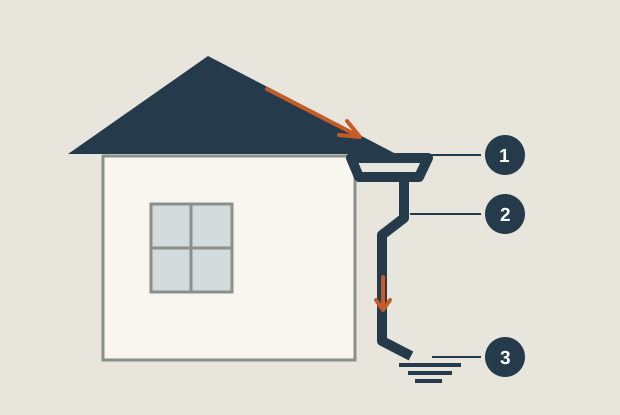
Keeping track of several independent runs
If there is a mark on the wall just above the hopper, show the section of gutter directly above it as well as the fitting itself. The first visible stain can be some distance from the joint where water escapes. We use the wider view to identify which connections need checking.
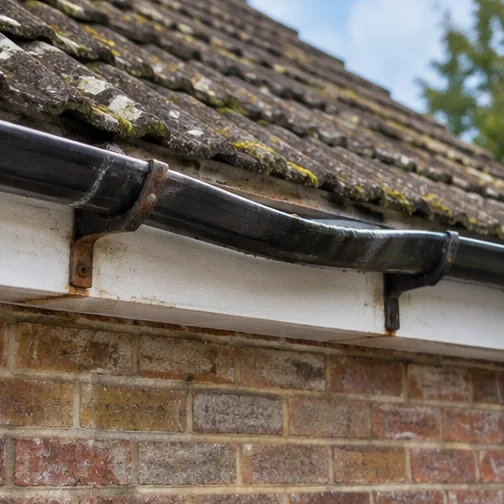
Report the route to the outlet clearly
After clearance, we can tell you which lengths and openings were reached and what we removed. If part of the route is concealed in a wall or behind the roof edge, we identify the last visible fitting and explain what could not be inspected. Tell us if the findings should go to an owner or manager who was not present. We can refer to the hopper and inlets by their position so that person can recognise them.
For a quote, give us the Teddington postcode, approximate roof height and a view of the working ground. Tell us if the hopper recently received a new connection or if only one of the runs was included on a previous visit. If the same corner continues to spill after clearance, describe whether water is coming from the hopper, the gutter edge or the wall above it. We use that description to work out what still needs looking at.
When more than one pipe enters from different directions, indicate which one appears to carry water during the overflow. A short ground-level recording can help show which inlet was active without needing to approach the fitting. If the water is first seen at an outlet farther down, include that view as well. It can help us explain which part of the route is visible and where another inspection might be needed.
Teddington booking questions
Can you check a hopper when two pipes feed it?
Tell us where the inlets are and which one was involved in the overflow. We can discuss what is reachable and which connected gutters to include.
Why does water spill from the rim after several minutes?
It may be backing up at the opening or below it. We look at the accessible parts and explain whether further investigation is needed.
Do I need to move furniture off the patio?
Tell us where there is clear ground and whether furniture restricts the approach. We can discuss what needs to be arranged before the visit.
Can you clear a channel that runs behind the roof edge?
We consider the working position and reach before including it. Ask about a camera view if you need to inspect the part that cannot be seen from the ground.
What if the pipe below the hopper disappears into a wall?
We check the reachable opening and describe what is visible. A concealed restriction may need a separate inspection.
Can you report which inlet needs another visit?
Yes. We can describe which positions were reached and explain where access or a concealed part limited the inspection.
Agree access to the wall below
| Working area | Information to send | What we consider |
|---|---|---|
| Patio with a canopy | Projection of the canopy and side access | Reach to the hopper or gutter |
| Shared side passage | Gate and narrowest part | Route for the equipment |
| Garden behind an extension | Where the ground is clear | Which inlets can be reached |
Coverage and bookings
See the areas we cover.