
Water Damage Repair in London
We assess water damage at homes and business premises and discuss drying and repair once the source is understood. Tell us when the water entered, whether it is still coming in and what has been affected. A video survey or site visit can help establish what needs to happen next.
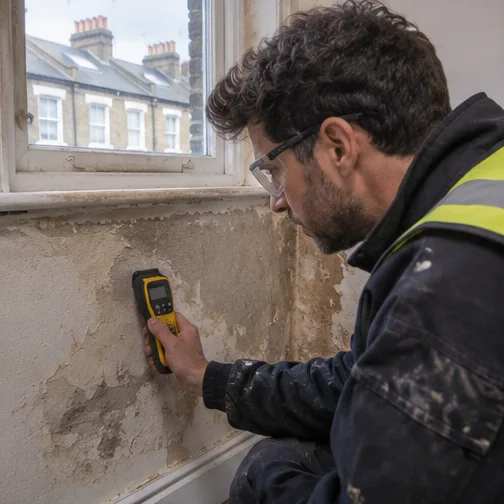
Photographic illustration of water damage repair in london.
Can you look at damage caused by an overflowing gutter?
Yes. Tell us where the gutter overflows and where the damage appears inside. The two areas may be related, but we need to understand the route the water took. We discuss any external work separately from drying or repairing affected surfaces.
Should I book drying before the leak is fixed?
Tell us if the leak is still active. Drying needs to be considered alongside stopping further water entry. We can discuss what the affected room looks like, what has already been done and whether a site assessment is needed.
Start with where the water came in
We ask when the damage appeared and what was happening at the time. A patch that appears after heavy rain suggests a different route from water that followed a plumbing incident. Tell us which rooms are affected, whether more than one floor is involved and what has already been checked.
A first conversation is about what happened and what has changed since. Tell us if the incident was sudden, if it followed several periods of rain or if damp has been returning after the room looks dry. We ask whether any roofline or plumbing work has already been done. That information helps us decide what can be assessed from a video and which parts of the building need a closer look. If the source is still active, include that in the first message.
What we look at during an assessment
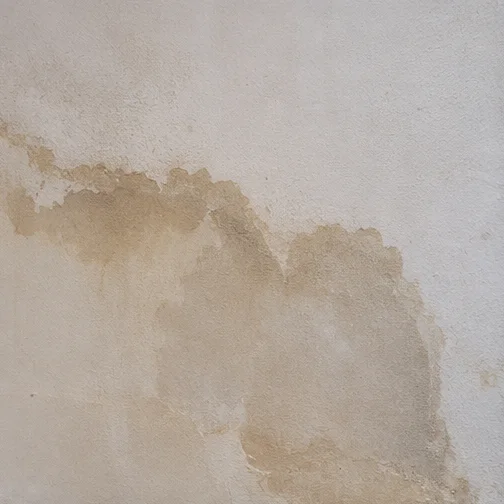
We consider which surfaces got wet and whether there are visible changes at the wall, ceiling, floor or skirting. Surface appearance can change as an area dries, so let us know how long it has been since the incident. For an initial video survey, show both the damaged area and the nearby exterior if you can reach it safely.
For a video survey, show the room as a whole before moving in on the affected surface. It helps us see how the wall, ceiling or floor joins the surrounding areas. If the water appears at a window or above an extension, include the part of the exterior you can see from the ground. A short description of when the mark changes is useful. A video can help with the initial discussion, but it cannot show all the material behind a finished surface.
Drying equipment and access
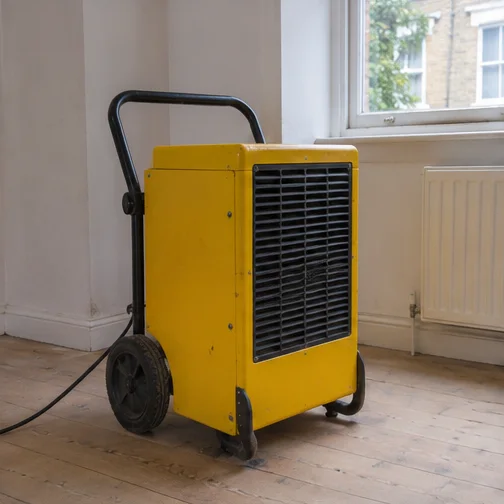
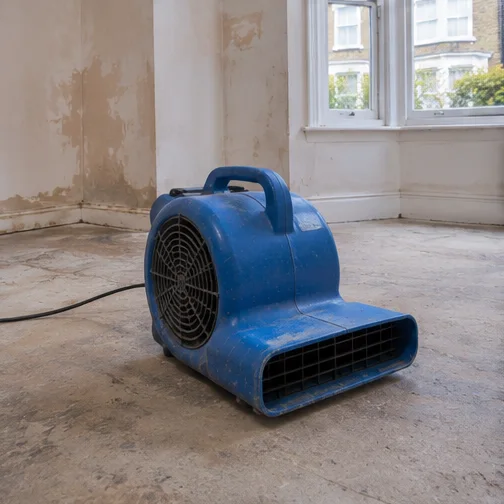
Depending on what has been affected, we can discuss the use of dehumidifiers and air movers. A dehumidifier removes moisture from the air while an air mover helps move air around exposed surfaces. The layout of the room and the materials that got wet affect how drying is arranged. We discuss equipment needs and whether the space can be used while it is in place.
An on-site visit lets us look at the layout and the spread of the damage in relation to the suspected source. A stain on plaster can show where water appeared without showing the point where it first entered. If a floor has been wet, tell us whether water was visible beneath a covering or at the skirting. If the room has already been partly cleared or dried, explain what was removed so we can understand the original extent of the incident.
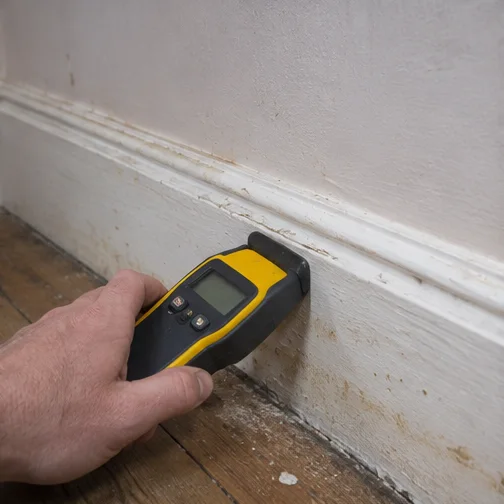
Homes, flats and business premises
At a home, tell us whether wet materials are in one room or cross into another floor or adjoining wall. At flats, contact details for the managing agent are useful if water could have come from above or from a communal fitting. At a business premises, let us know if the affected area is a public route, workspace or storage room.
We discuss which rooms need equipment and what can be reached while they are in normal use. An air mover and a dehumidifier serve different purposes, and the arrangement depends on the moisture, materials and access. If an area is closed off or has no convenient access, let us know before the visit. Where the water crossed into another room or floor, we need to consider that area too. Exact drying times depend on what is found and how the condition changes.
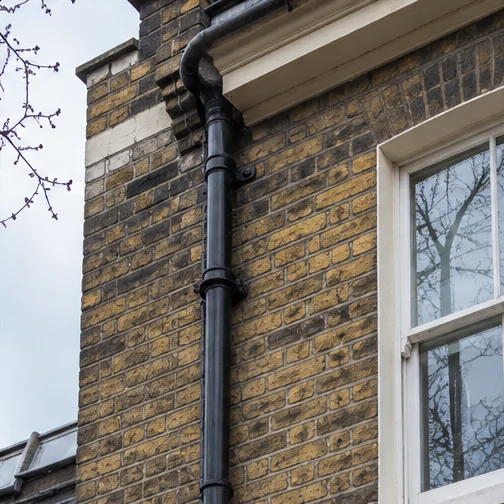
Separate the cause from the repair
If the source appears to be outside, we can discuss clearing obstructed gutter outlets or repairing rainwater fittings as separate work. If the internal surface is damaged, we discuss what can be assessed once drying is under way. We explain the areas considered and any parts that need further investigation.
If you manage a property, identify which rooms belong to which occupiers and who can provide access. Water may have appeared in one flat after entering through an adjoining space or a communal fitting. At a business, tell us whether the area is used by customers, staff or tenants and which hours it can be inspected. The arrangements for reaching the source and for returning to check affected areas can differ, so include a contact who can help with both.
From incident to next step
| What happened | What we ask | What we discuss |
|---|---|---|
| Water entered in heavy rain | Where it appeared and nearby outlets | Check possible exterior routes |
| Plumbing leak has stopped | What got wet and when | Assess the affected materials |
| Damp returns after drying | When it reappears | Recheck the route of water entry |
Preparing for a survey
| Detail | What to share | Why it matters |
|---|---|---|
| Affected surfaces | Floor, skirting, walls or ceiling | Shows the spread of damage |
| Current condition | Active ingress or standing moisture | Helps prioritise the next action |
| Building access | Keyholder and affected rooms | Helps plan an inspection |
Arranging a visit in London
After the initial assessment we explain which parts were visible, what we think needs further investigation and what can be discussed as repair or drying work. Some finishes cannot be assessed fully until the area has dried or a separate fault has been addressed. If you need to relay the information to an owner or building manager, tell us who is responsible for the next decision. Include photographs you already have of the first signs of damage and any work done since.
For a first conversation, note when you last saw fresh water and whether the affected area has changed. If you have a record of recent work to the gutter, roof or plumbing, tell us what it covered. A short sequence of photographs taken as the mark developed is more useful than several close-ups taken at once. We use that information to discuss whether a video can answer the initial questions or whether the property needs a visit.
Questions about water damage repair
Can I start with a video survey?
Tell us where water entered and show the affected area on video. We may need a site visit to assess it properly.
Can you tell how long it will take to dry?
That depends on what got wet, how long it was exposed and whether the source has stopped.
Can you assess a stain on the ceiling?
Yes. Tell us which floor it is on, what is above it and whether it changes after rain.
What if the leak came from a flat above?
Tell us what the occupier or managing agent has found and whether the source has been stopped.
Can drying and surface repairs be quoted separately?
We can discuss them separately, since the condition of the surface may be clearer once drying is under way.
Do you need to see the outside as well?
If rainwater is suspected, views of the gutter, downpipe and wall above the damage help us understand the route.
Request a quote for water damage repair
Send us your postcode and describe the affected part of the building. Call us if you would like to talk through the work before arranging an inspection.