
Gutter Cleaning Sutton
We clear gutters in Sutton and check accessible downpipe openings. If a resident has reported a leak at a building you manage, send the address, the entrance and the elevation as well as the description of the leak. Tell us which lengths need clearing and who can confirm access. We can discuss a visit for one building or identify the different access arrangements for several addresses.
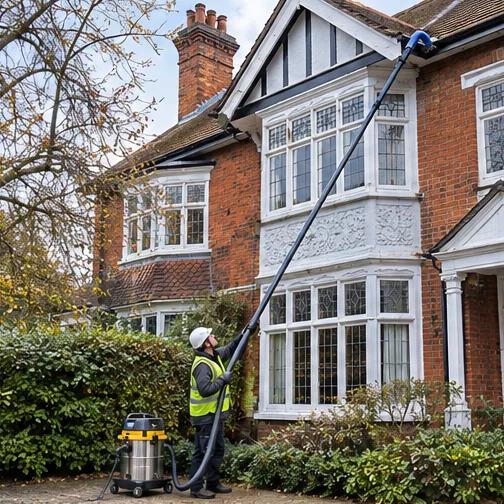
Illustrative photograph.
Turn a resident report into a location we can find
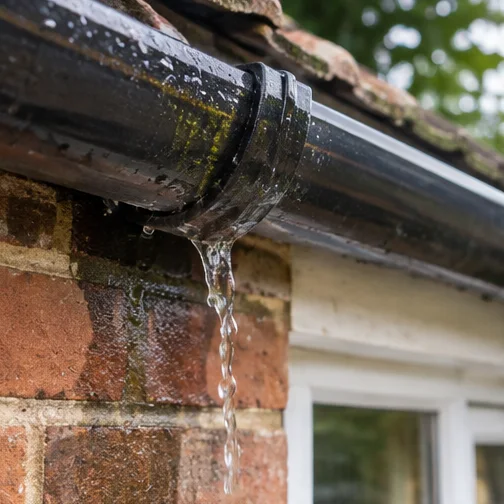
A note that water is falling near a window does not necessarily identify the affected gutter from outside. Ask which way the window faces and whether the water starts above it or runs down from another part of the roof. If there are several entrances, use the number or name seen from the street. A picture of the complete elevation can show a downpipe that is out of the resident’s line of sight.
If two reports refer to different sides of the building, send them separately. One may describe water over the edge of a long run, while another concerns a drip at an end fitting. We can agree which lengths to inspect without assuming that the two problems have the same cause. If the building has an extension or several roof levels, identify the lower gutters that should be included as well.
Agree access before setting a date
Tell us which door, gate or yard will give access to the ground below the roofline. A main entrance key may not open a courtyard where the equipment needs to stand. Include contact details for the caretaker or resident who can give access, and tell us if a route needs to be kept clear. At a business address, mention when the yard is being used or whether another entrance is available.
If several sites are involved, give us the working position and any restrictions for each one. A single contact may be able to approve the work but may not hold every key. Tell us if there are narrow passages, parked vehicles or lower roofs beneath specific runs. We can discuss which lengths can be reached with the available equipment and where a separate access arrangement may be needed.
- Use the building’s usual names for each elevation.
- List the access contact separately from the repair approver.
- Tell us if two reports refer to different runs.
- Give the roof height and working position for each address.
Clear the agreed channels and check the accessible openings
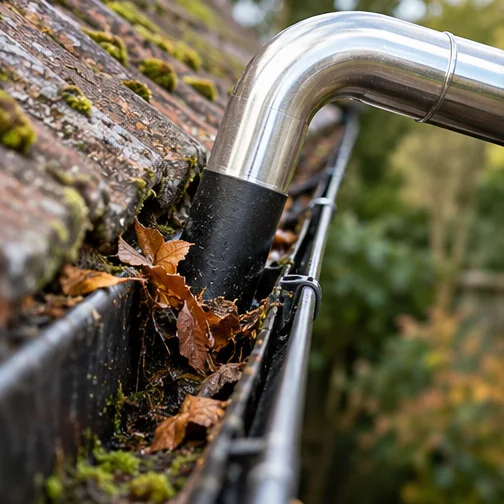
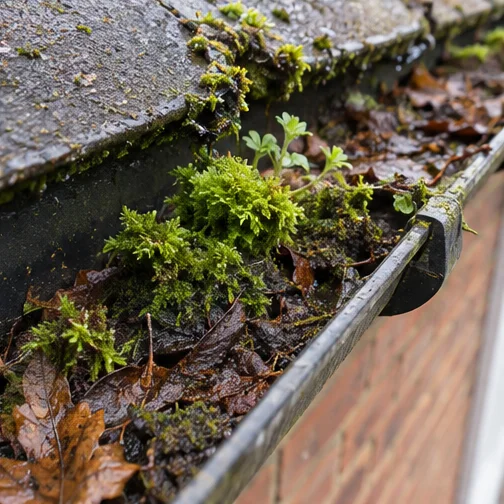
We use reach poles and a gutter vacuum on suitable runs to collect leaves, moss and packed debris. We work through the accessible channel, checking corners and the areas around the outlets. Where a long elevation has several outlets, tell us which ones have caused problems. A clear stretch near one opening may still lead into a blocked corner farther along the same run.
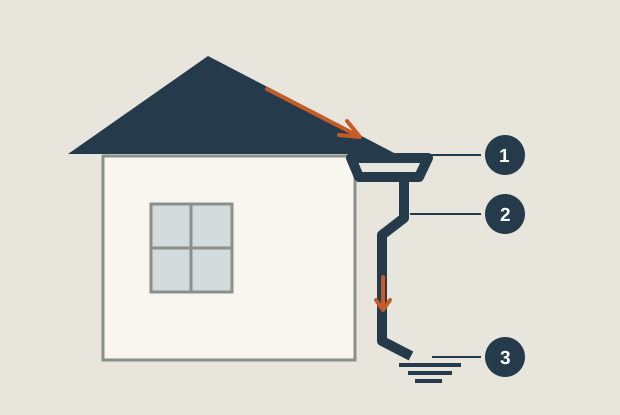
At each reachable opening we look for material we can remove and explain which part of the connection is visible. If a pipe disappears into a concealed area or a restriction appears to be below the opening, we discuss what may need separate investigation. A camera can be considered when a manager needs to see a particular length or a fitting hidden from the ground. Tell us what view would be useful and why.
Identify what was reported and who can help
| Initial report | Additional detail | What we check |
|---|---|---|
| Water above an upper flat | Which entrance and elevation | Accessible gutter and nearby outlet |
| Drip beside a shop door | Where it starts and which roof is above it | Visible joint or overflow |
| Overflow in the courtyard | Who opens the yard and which pipe it serves | Working position and accessible opening |
Separate the clearance instruction from repair approval
If clearance reveals a leaking seam or moved support, we can discuss repairing the affected gutter fitting. We identify where it sits and whether the adjoining material appears suitable for a local repair. If several lengths have failed, we can assess replacement of the damaged run and discuss how the new section would meet existing outlets. Lining may be an option for a sound channel after its inner surface and outlet have been inspected.
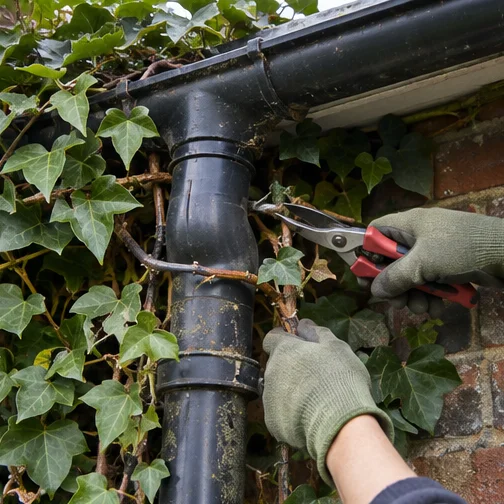
Where ivy has covered the area around a fitting, tell us whether cutting it back needs separate approval. If the leak has affected plaster, flooring or other finishes, a water damage assessment is a separate instruction. Give us the contact who needs the details and identify the affected room. Our gutter clearance service sets out the work normally included on accessible runs.
Work we can discuss after clearance
Gutter cleaning
Agree the included elevations for each address and report which openings could be reached.
Guttering repairs
Record the location of a visible defect for the person who can instruct repair.
Gutter lining
Discuss a liner for a suitable communal channel after inspection of its support and outlet.
Gutter replacement
Identify which length needs replacing so the building manager can arrange approval.
Ivy removal
Check who can approve cutting back growth that covers a communal fitting.
Water damage repair
Discuss the affected room with the manager or occupier separately from clearance.
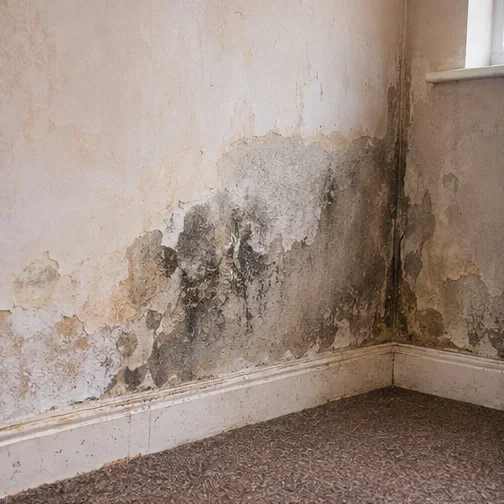
Make the record useful at the next maintenance visit
At the end we can describe which gutters were cleared, which openings we reached and where there is a visible issue. If part of an elevation could not be accessed, we explain which part and what might be needed before it can be inspected. Give us the building’s usual names for the different elevations so our account can be matched to previous records. For several sites, use a separate address and contact for each.
To get a quote, send the Sutton postcode, building height and the location where water first becomes visible. If an earlier visit covered only part of the roofline, say which lengths were included. Tell us what the caretaker can open and whether approval for extra work comes from someone else. We can then arrange the clearance and direct any follow-up questions to the right person.
If you schedule inspections around other maintenance, tell us which dates or access windows are already arranged. It can help to share a note of where equipment stood on the last visit and whether a particular outlet was inaccessible. If there is a new canopy, fence or security gate, include a recent photo. That gives us a better starting point than reusing an old description that no longer matches the ground.
Agree the maintenance record before the visit
| Detail to record | Before clearance | After clearance |
|---|---|---|
| Included runs | Names used in the existing records | Which lengths were reached |
| Keyholder | Gate, route and available time | Restrictions that remain |
| Person approving additional work | Contact and affected building | Location of any visible fitting that needs attention |
Before we assess the roof edge
For a building that has been split into separate units, ask which parts are described in the maintenance instruction. We can name each agreed gutter by its entrance or elevation. If a resident refers to a private balcony, tell us where it sits relative to the communal roof. Access may need to be arranged with that occupier, even when the gutter itself is maintained by the building manager. Give us both details so we can discuss the right arrangement before work.
If the record has a list of gutters inspected after an earlier complaint, include the date and which opening was checked. We can use those notes to identify whether the current report describes the same position. Tell us if there is an unresolved access restriction or if the caretaker now has a different route to the working ground. That can change which length we are able to include.
Sutton maintenance questions
Can I combine several addresses in one enquiry?
Yes. Give us the postcode, affected run and access details for each property. We can then discuss suitable arrangements separately.
What if the resident cannot identify the gutter?
Ask for the nearest window or entrance and a picture of the whole elevation from a safe position. That can help us relate the report to the visible roofline.
Can a caretaker let you in if they cannot approve repairs?
Yes. Give us a separate contact for decisions about extra work so we can explain any visible defect to the right person.
Can you report on parts you could not reach?
We can say which lengths or openings were outside the available reach and discuss what would be needed to inspect them.
Do I need a camera view for every run?
No. Ask about a view when it would help to identify a particular fault or share the findings with someone who cannot be present.
Can you quote for repairs separately after clearance?
Yes, where an affected fitting or section can be identified. We discuss what was found and which work would need a separate instruction.
Coverage and bookings
See the areas we cover. For nearby enquiries, see Carshalton.