
Gutter Cleaning Balham
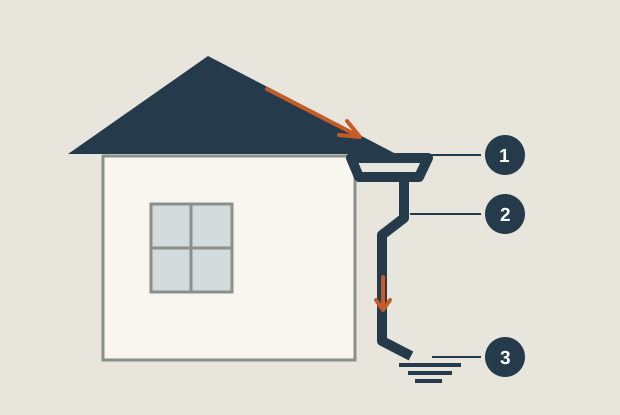
A Balham gutter may face one street while the pipe that serves it runs down a wall beside another entrance. If you can see water falling but cannot see the outlet, describe what the water touches on its way down. Glen’s provides gutter cleaning in Balham for accessible rainwater systems. Tell us which roof edge concerns you and how to reach the area below. A picture of the whole wall, including the ground and any canopy or extension, helps us discuss the scope of a visit.
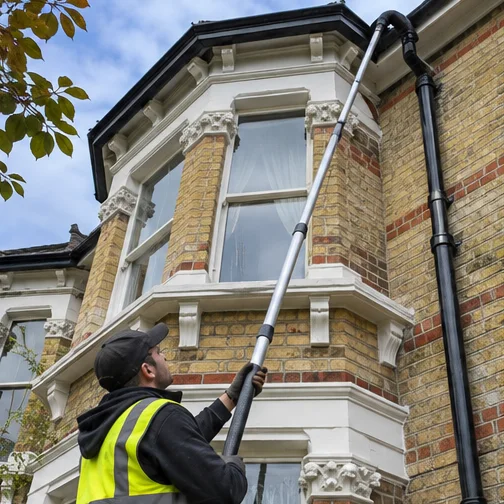
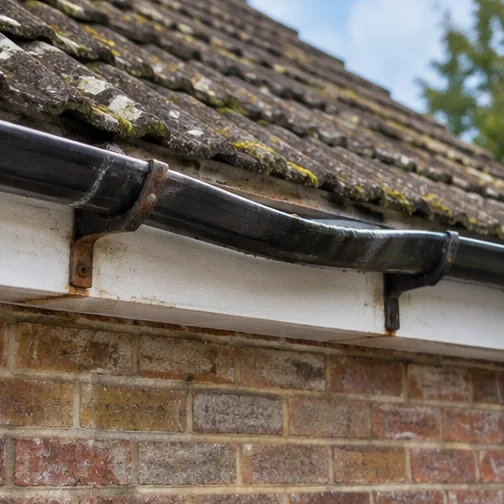
Illustrative photograph.
Follow the rear route to its narrowest point
At a business, the service entrance may lead through a gate or another unit. Tell us which route has been agreed, who opens it and whether it is shared with deliveries. The yard may be open in the middle while a cover or lower roof blocks the line directly beneath the gutter. Send a photo looking from the yard towards the relevant wall and include the route between that position and the gate. If the front is also in scope, describe the area below the frontage separately.
At a house, a narrow side return can lead to a rear addition and then open into a garden. Give the width at the gate and any point where the path passes beneath an overhang. If steps lead to the garden, estimate the height from the ground nearest the affected gutter. At a conversion, check who can admit the team to that area and who authorises work on the roof. An upper-floor occupier may be able to point out the outlet without having access to the ground beneath it.
- Town-centre corner frontages
- Canopy runoff and separate stair entrances
- Side returns and extension roofs
- Reports tied to permanent features
Track what happens between two roof levels
An upper pipe may empty onto a bay, canopy or extension before water reaches a lower gutter. If the lower edge spills, the amount of water it receives from the upper roof may be part of the explanation. The lower outlet can also have its own restriction. Include both roofs and the pipe in a photo and record where the first spill appears. If rain strikes the lower roof near the wall and leaves at the far edge, report the two positions. A close view of the final drip can otherwise suggest the wrong part of the system.
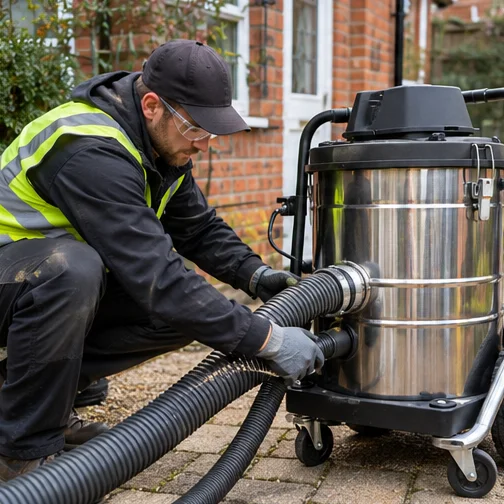
Gutter cleaning clears agreed accessible lengths and visible openings. A ground-based vacuum may be suitable where the working area gives enough reach and a clear angle. A camera can sometimes show debris near an outlet or short return. At the foot of the downpipe, tell us whether there is an open gully or whether the pipe disappears below paving. A puddle can also collect water from the yard surface. An enclosed or underground connection may need separate investigation even where the upper gutter can be cleared.
Place the report within the town-centre triangle
Wandsworth Council describes Balham town centre as focused on Balham Station Road, Balham High Road and Bedford Hill, with Hildreth Street at its centre. At a property in this area, specify which street the affected elevation faces. A shop door, residential stair entrance and yard may all serve the same building from different sides. Identify the doorway or upper window nearest the wetting and show where the gutter turns around any corner. The visible outlet may be on the next wall even when water reaches the front of the unit.
A person using the entrance might see drops fall from a sign, while an upper-floor occupier can describe water near a pipe or hopper. Ask each person to record the first place they saw it and whether it was during the same shower. A photo showing the upper and lower parts of the frontage together helps connect their observations. If a canopy changes where the water lands, describe the position of the cover and whether the drip moves when it is open or closed.
Work for other parts of the rainwater system
Gutter cleaning
Clear agreed accessible runs and visible openings above Balham frontages, side returns and rear roofs.
Gutter replacement
Review compatible renewal options where multiple lengths or fixings are worn.
Gutter lining
Assess support and outlet geometry when a liner is being considered.
Guttering repairs
Consider local seams and brackets alongside the adjoining gutter and fixing surface.
Water damage repair
Compare dated interior observations with visible rainwater routes before follow-up.
Ivy removal
Assess the route of climbing stems around pipe fixings and the roof edge.
Balham observations to share with the enquiry
| What you saw | Detail to add | Why it helps |
|---|---|---|
| Water near a Hildreth Street entrance | First wet point and nearest outlet or upper window | Places the report against a particular frontage |
| Drip from a shop canopy | Where water first reaches the cover | Shows what the runoff crosses before it lands |
| Spill on a rear extension | Whether an upper pipe ends above the lower roof | Describes the connection between roof levels |
| Puddle by a pipe base | Whether water enters a gully or comes from paving | Gives the last visible part of the discharge route |
Assess the visible fitting in context
Once accessible debris has been removed, standing water may remain at a seam if the gutter sits low there. A displaced support can contribute to that condition. Guttering repairs can be considered after looking at the local defect, the adjoining lengths and their fixings. If a connector was changed during earlier work, show where the old and new profiles meet. A maintenance record may identify the alteration more precisely than a photograph of the wet wall.
Gutter lining can be considered where the existing channel has adequate support and the corners and outlet details suit a liner. Replacement may warrant discussion where several lengths or brackets have deteriorated. If ivy covers a fixing or reaches behind the gutter, describe the stem route and the surfaces involved before arranging an ivy removal assessment. Water damage repair begins with establishing how moisture reached the affected material. A dated record of the first interior mark, together with the closest outside feature, can help guide further investigation.
Keeping track of several independent runs
Keep a location reference that survives a tenancy change
A visit record can identify the runs and outlets reached, where material collected and any visible concern that requires another assessment. Use a fixed reference such as the first pipe beyond the stair door or the short gutter over the window nearest the rear gate. Shop signs or room names can change. A permanent feature gives a future resident or contractor a way to find the same point. Confirm who should receive the record and who can arrange entry if more access is needed.
In the next rain, observe the original location from a safe position. Note how long it takes for water to appear and what it strikes first. If the large spill has stopped but a lower joint drips, give both positions. If a mark appears indoors, describe the room and nearest exterior feature and record whether it changes through dry weather. The person arranging follow-up can compare the report with the clearance record and decide whether to investigate a fitting, an enclosed route or another part of the building.

Questions about gutter cleaning in Balham
Can a gutter around the corner be part of the same visit?
Yes, if both lengths are included in the agreed work and can be reached safely. Show the two elevations and where the pipe turns. We can discuss whether each part needs a different approach.
What if water is visible only when a canopy is extended?
Note where water first touches the canopy and where it falls. If you have also seen the frontage during rain with the cover closed, share that observation. Its position can affect the water path and the working space below.
Who can give access to the rear of a mixed-use building?
Identify the person who controls the yard, gate or route through a unit. The person authorising work on the roof may be someone else. Confirm which entrance can be used and when the route is available.
Can the lower roof spill without a blockage at the upper outlet?
Yes. An upper pipe may discharge normally onto the lower roof, while the lower gutter has its own restriction or alignment issue. Show both levels and describe where the water first becomes visible.
Should I include a previous repair if it was on a different wall?
Tell us where the earlier work took place and whether the visible outlets appear connected. This can help distinguish two sections. A dated photograph or record gives the person assessing the fitting a clear reference.
What if an interior stain is still changing after clearance?
Note the timing of new wetting and the nearest outside feature. Keep a dated photo and compare it with the original report. Further assessment may be needed to establish how moisture reaches that surface.
Access to confirm for the affected side
| Working area | Practical detail |
|---|---|
| Corner property near Bedford Hill | Which wall faces the wetting and who controls each entrance |
| Rear service yard | Gate key, deliveries and available ground below the gutter |
| Side return beside a low roof | Width, overhang and height from the garden |
| Garden below a shared roof | Who agrees the work and who can provide entry |
Coverage and bookings
See the areas we cover. For nearby enquiries, see Tooting and Clapham and Streatham.